
Bohol
Chocolate Hills at sunrise, tarsiers in the forest, turtles over the reef at Balicasag — and a beach resort waiting for you by mid-afternoon.
The most varied island in the Philippines
Most Philippine islands ask you to choose: beach or adventure, resort or wild nature. Bohol quietly refuses to. In a single stay you can climb the deck above the Chocolate Hills, drift down the jungle-green Loboc River, watch a tarsier blink at you from a branch, and swim with turtles at Balicasag — and still be back on a lounger for the sunset. That range, packed onto one well-connected island, is why Bohol appears in more of our itineraries than anywhere else in the country.
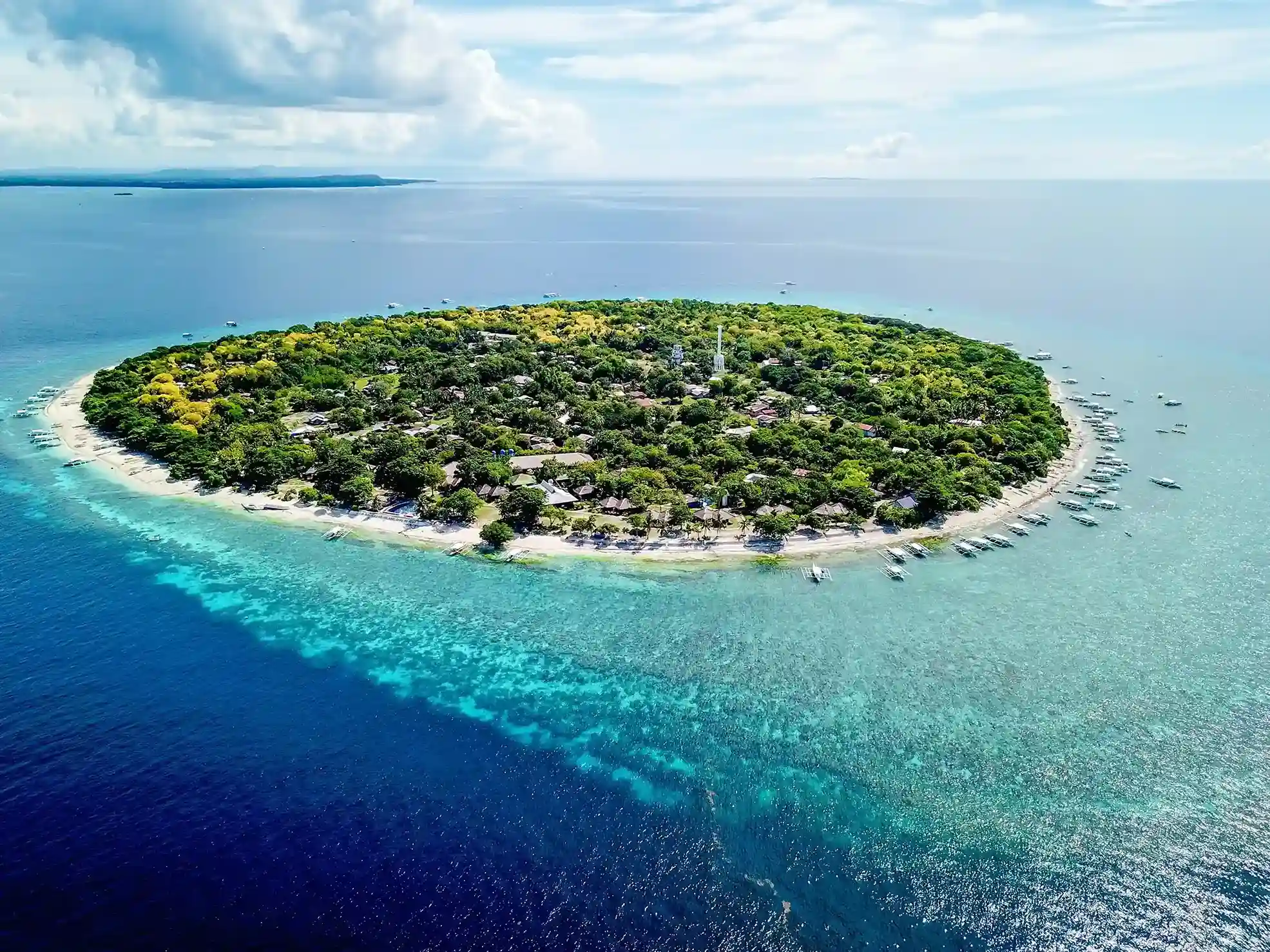
A little geography makes the planning fall into place. Almost everyone stays on Panglao, the smaller island joined to Bohol by two short bridges. Panglao holds the beaches, the resorts, the dive centres, the restaurants clustered around Alona Beach and the international airport — which sits only a few minutes from the main resort areas. The big island, Bohol proper, is where the day trips go: the hills, the river, the tarsier sanctuary, waterfalls, the man-made mahogany forest and quiet farming villages. You sleep by the sea and head inland whenever the mood takes you.
Bohol is also home for us — our team is based on Panglao — so this is the one island we plan from our own doorstep rather than from a screen, which shows in the small calls: when to leave early, which resort suits a family, where the sea will be calmest on the day.
The best of Bohol, on land and in the water
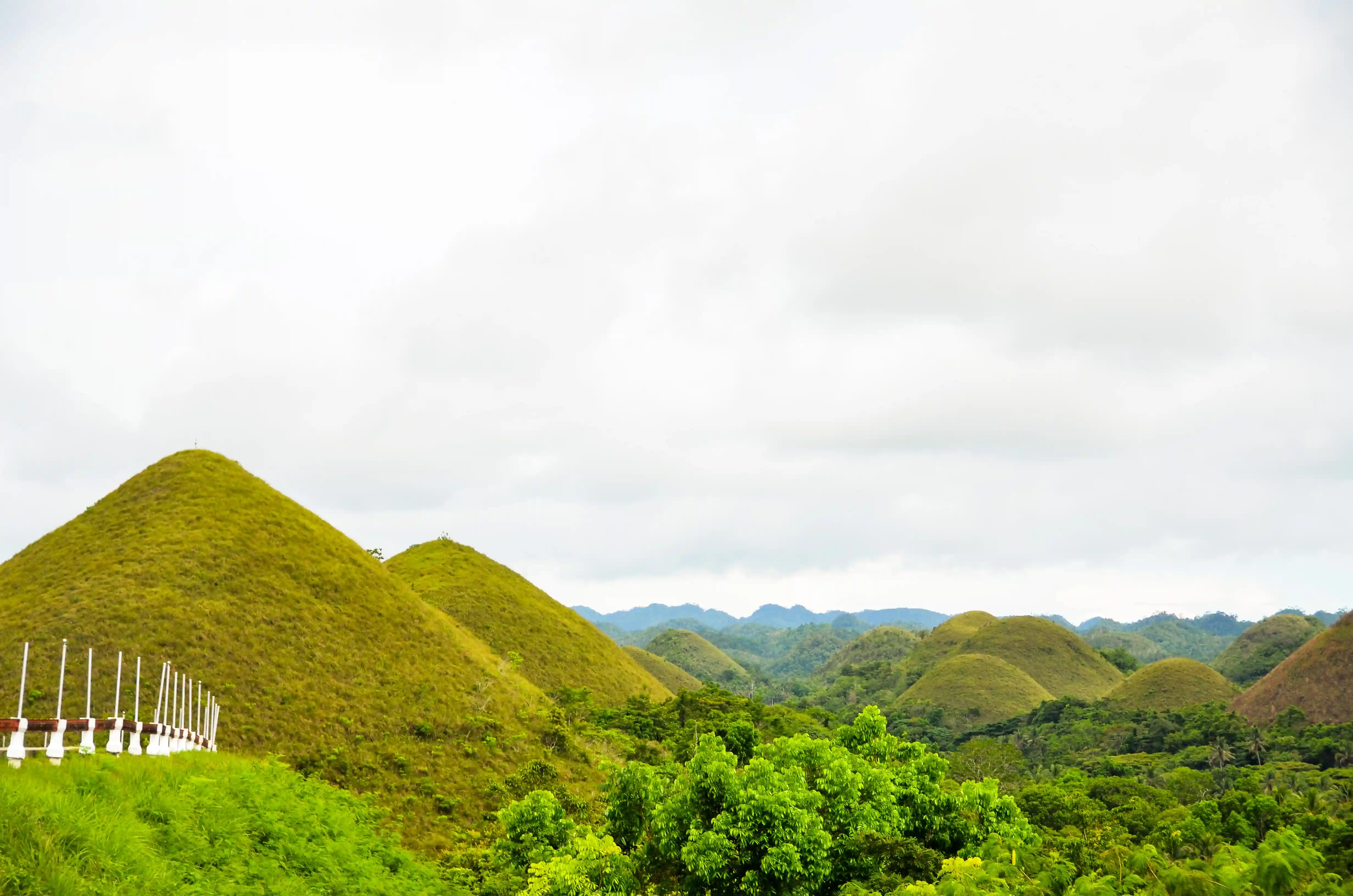
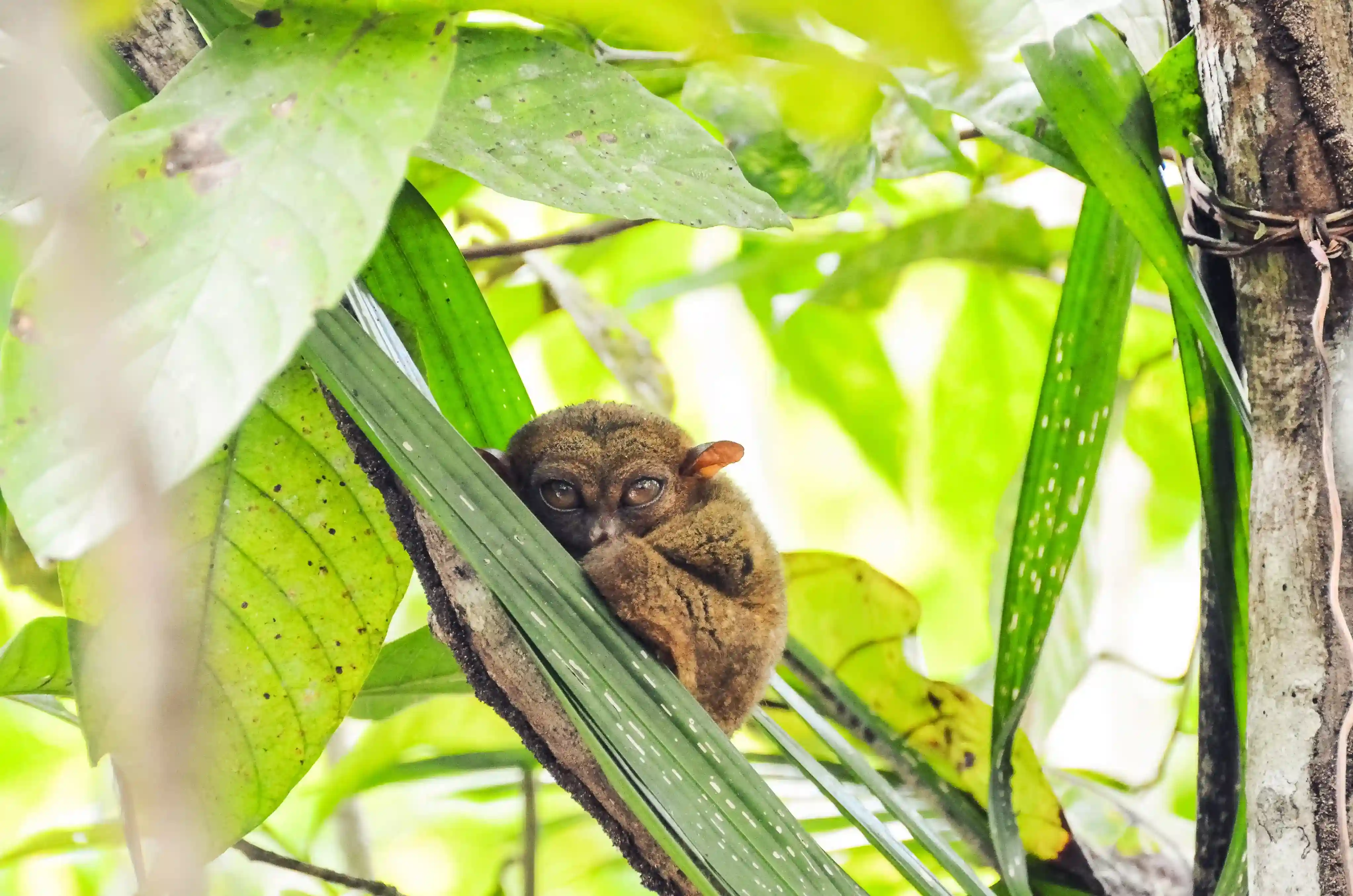
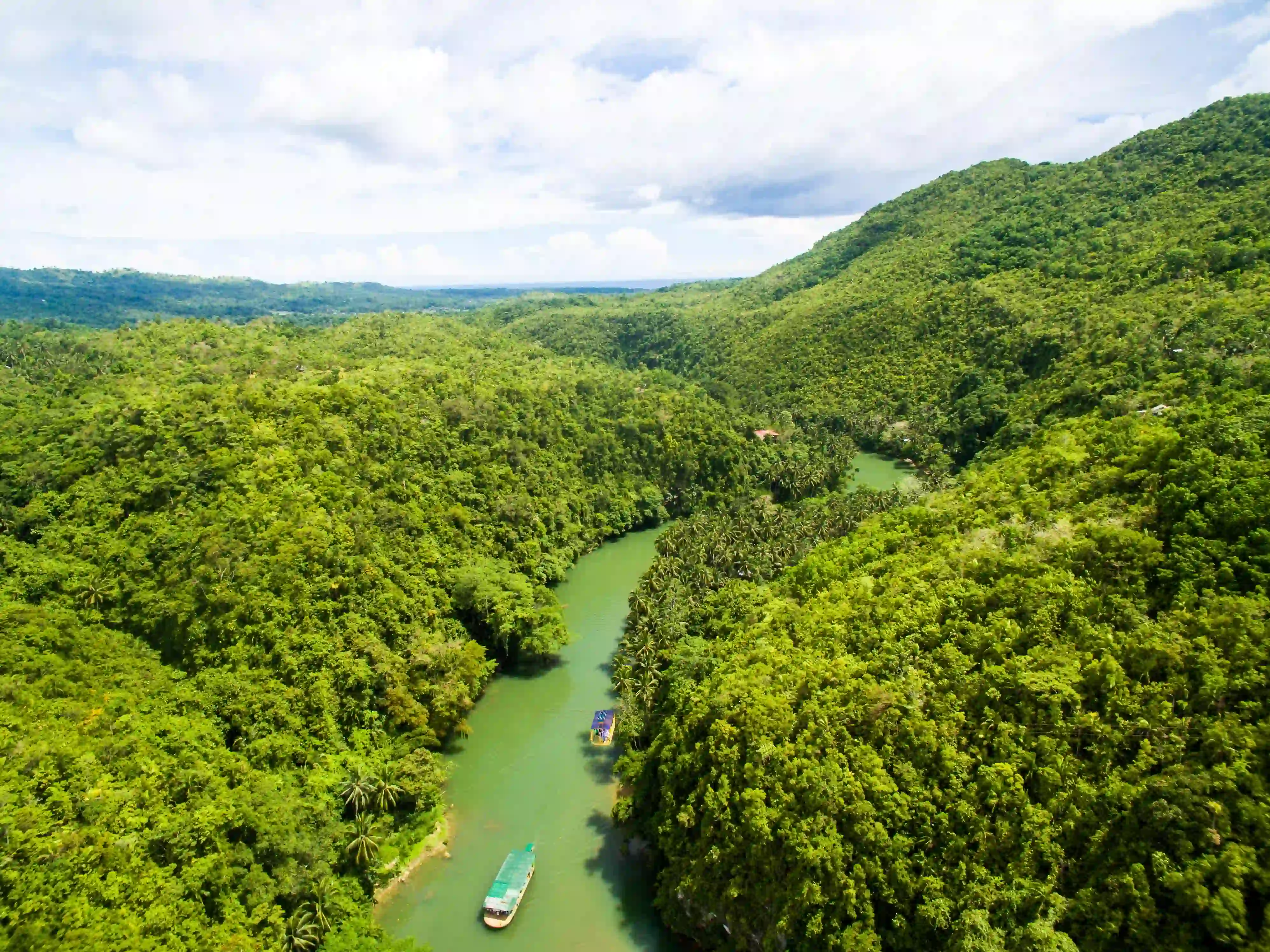
The classic inland day threads together the Chocolate Hills — well over a thousand rounded mounds that turn cocoa-brown in the dry season — with a gentle cruise or a stand-up paddle on the Loboc River and a stop at a tarsier sanctuary, where the world's smallest primates doze among the branches. Tarsiers are fragile and easily stressed, so we only ever use the proper conservation sanctuary: no touching, no flash, voices kept low. If your group likes a jolt of adrenaline, add an ATV ride through the hills or the zipline strung across the Loboc gorge, and consider a local jeepney tour for a more colourful, village-level look at the island.
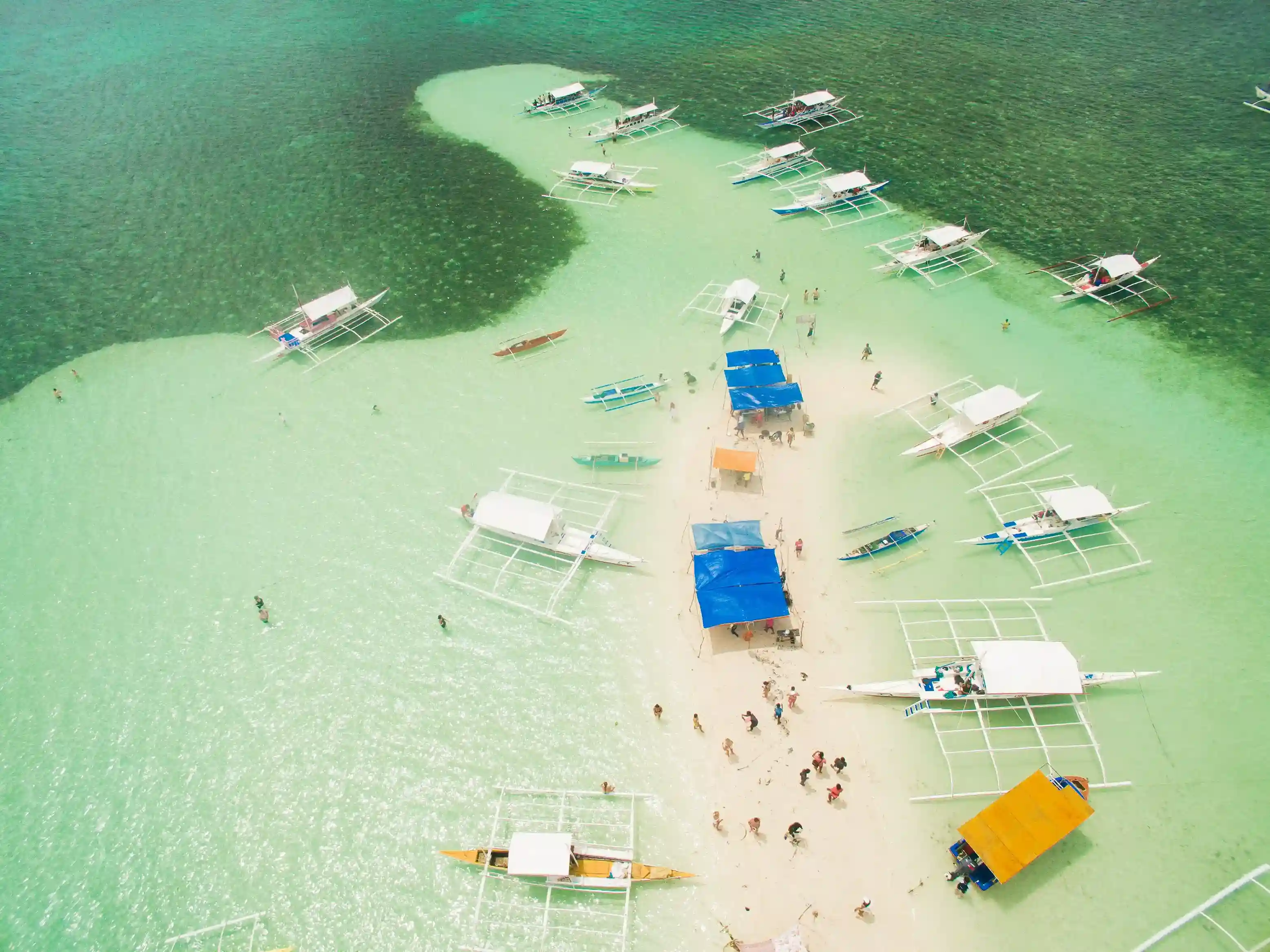
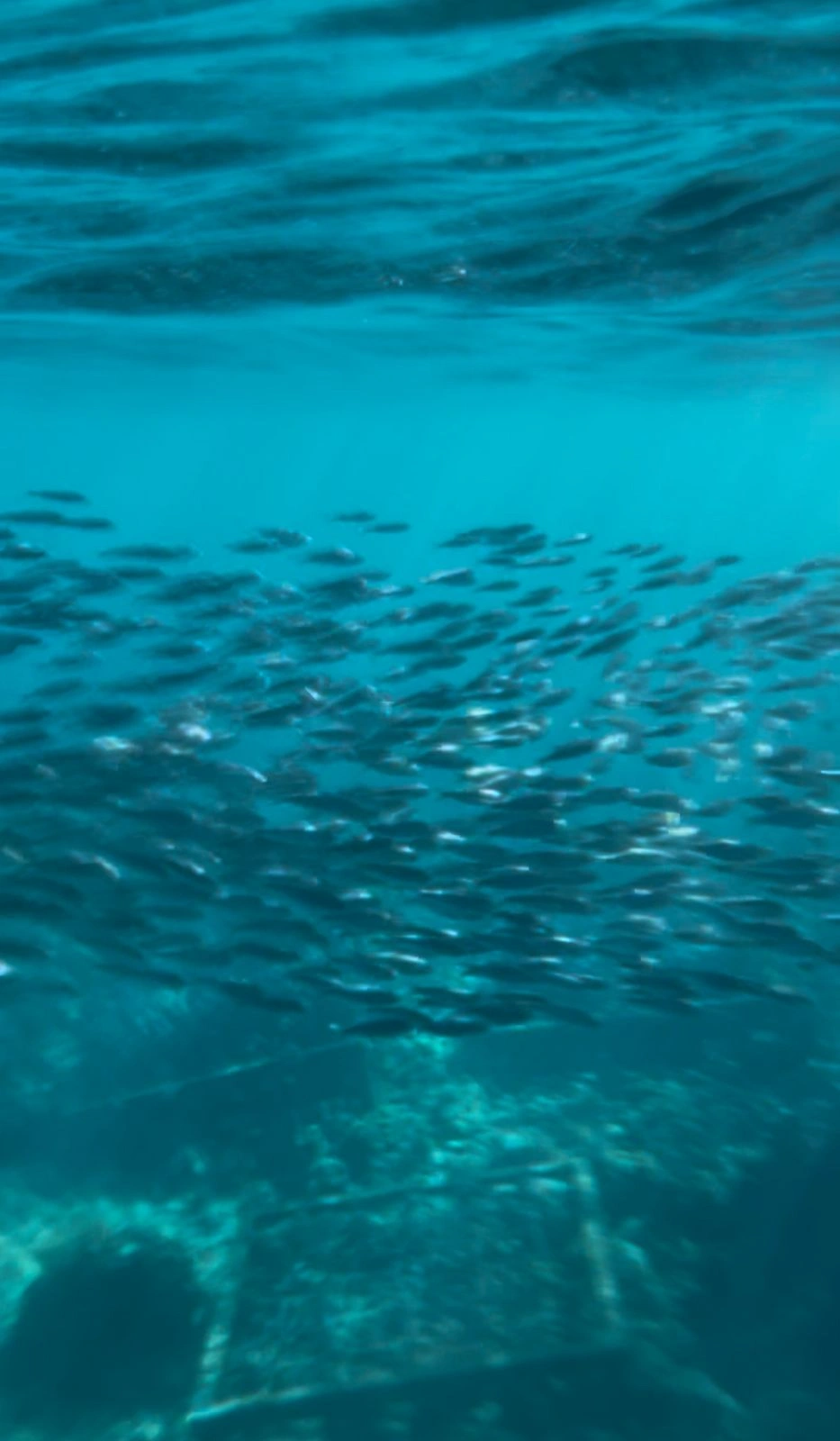
On the water, the early island-hopping run to Balicasag is one of the finest snorkelling mornings in the country — green sea turtles grazing over coral walls, usually paired with the bare white sandbar of Virgin Island, and dolphins on the crossing if you are lucky. Closer to shore, Napaling Point hides a wall of sardines just metres off the reef: a swirling silver cloud you can reach with a mask and fins, no full boat day required. It is also a favourite of freedivers for exactly that reason.
Panglao is, quietly, one of the Philippines' best and easiest diving and freediving bases, with most sites a 10 to 45-minute boat ride from Alona. Balicasag is the headline — its Black Forest, Cathedral Wall and Rico's Wall drop away into blue and can run from serene to a proper drift when the current builds. Pamilacan, a little further out, trades the crowds for a wilder, more open-water feel that suits confident divers. Add the macro-rich reefs of nearby Cabilao, the topography of Arco Point's Hole in the Wall, and the quieter east-coast sites around Anda, and you have enough for anything from a single fun dive to a full week. The water stays warm year-round — a 3mm suit is plenty — and November to May brings the best visibility.
Where to base yourself
Where you stay matters less here than on some islands, but it still shapes the trip. The lively choice is the Alona Beach area, with restaurants, bars, dive shops and evening music all within a barefoot walk — nothing like Boracay's scene, but enough to fill an evening. For a wider stretch of sand and a calmer pace, the larger beachfront resorts along Panglao's southern coast sit a short ride from Alona: you get the quiet, and a good dinner in town is only ten minutes away. Travellers building a slower, more diving-led trip can look east to Anda, where the coral gardens and low-key resorts reward those with time to spare.
Panglao also eats well, which is not a given on smaller Philippine islands — there is genuine wood-fired Italian and hearty European cooking near Alona, a handful of stylish cafés for a slow breakfast before a tour, and a much-loved spot for fresh mango dessert to round off the evening. It all makes Bohol one of the country's most comfortable islands for families, who tend to base themselves on one good beach and simply pick a different day out each morning.
Our recommendation: don't do Bohol as a rushed day trip from Cebu — it deserves better. Give it four or five nights, sleep on Panglao near (but not necessarily on) Alona, and keep one day completely free. It usually turns out to be the day everyone remembers.
Combines well with
Bohol and Cebu are the easiest pairing in the Philippines — a fast ferry links them in about two hours, so whale sharks, Kawasan Falls and the Moalboal sardine run slot naturally before or after your Panglao stay. With direct flights from Panglao's airport, Bohol also connects smoothly to El Nido for Palawan's lagoons, to Siargao for surf and palm-forest island life, and onwards to Boracay for a beach-and-sunsets finale.
Let us plan Bohol from our own front door.
Tell us your dates and travel style — we'll send a free tailor-made Bohol itinerary within 24 hours.