
Cebu
Waterfalls and canyons in the south, a sardine tornado at Moalboal, resorts on Mactan — and the best transport links in the Philippines.
The island that makes the whole trip work
Cebu is where Philippine itineraries come together. A long, narrow island in the centre of the country, it has an international airport, domestic flights to nearly every major island, fast ferries fanning out across the Visayas — and, less famously, some of the finest adventure days in the country packed into its south.
It helps to know that "Cebu" is really three different places. Cebu City is the country's historic second city — good hotels, big malls and a half-day of genuine colonial history, but no beach. Mactan, the small island holding the airport, is where the beach resorts are: an easy first or last stop, and a natural fit for families. And south Cebu — Moalboal, Kawasan, Oslob — is the adventurous end, two to three hours down the coast, where the rooms are simpler but the experiences are the whole point.
One planning tip is worth more than any list of sights: settle your Cebu strategy before you book international flights. Because Cebu is an international gateway in its own right, flying into Manila and home from Cebu (or the reverse) on an open-jaw ticket often saves a domestic flight, a repeated transfer and a night you would rather spend on a beach.
What to do in Cebu
The island's signature day is Kawasan Falls — spring-blue water tumbling through a jungle canyon. The famous way to arrive is canyoneering: a guided route down the river of swims, scrambles, short climbs and optional cliff jumps, genuinely brilliant fun if you are reasonably fit and comfortable in water. But the quieter way is every bit as valid — a short, easy walk in to the lower falls to swim, with the jumps skipped entirely. No one should cross Kawasan off their trip simply because full canyoneering isn't for them, and older travellers and families with young children do exactly this.
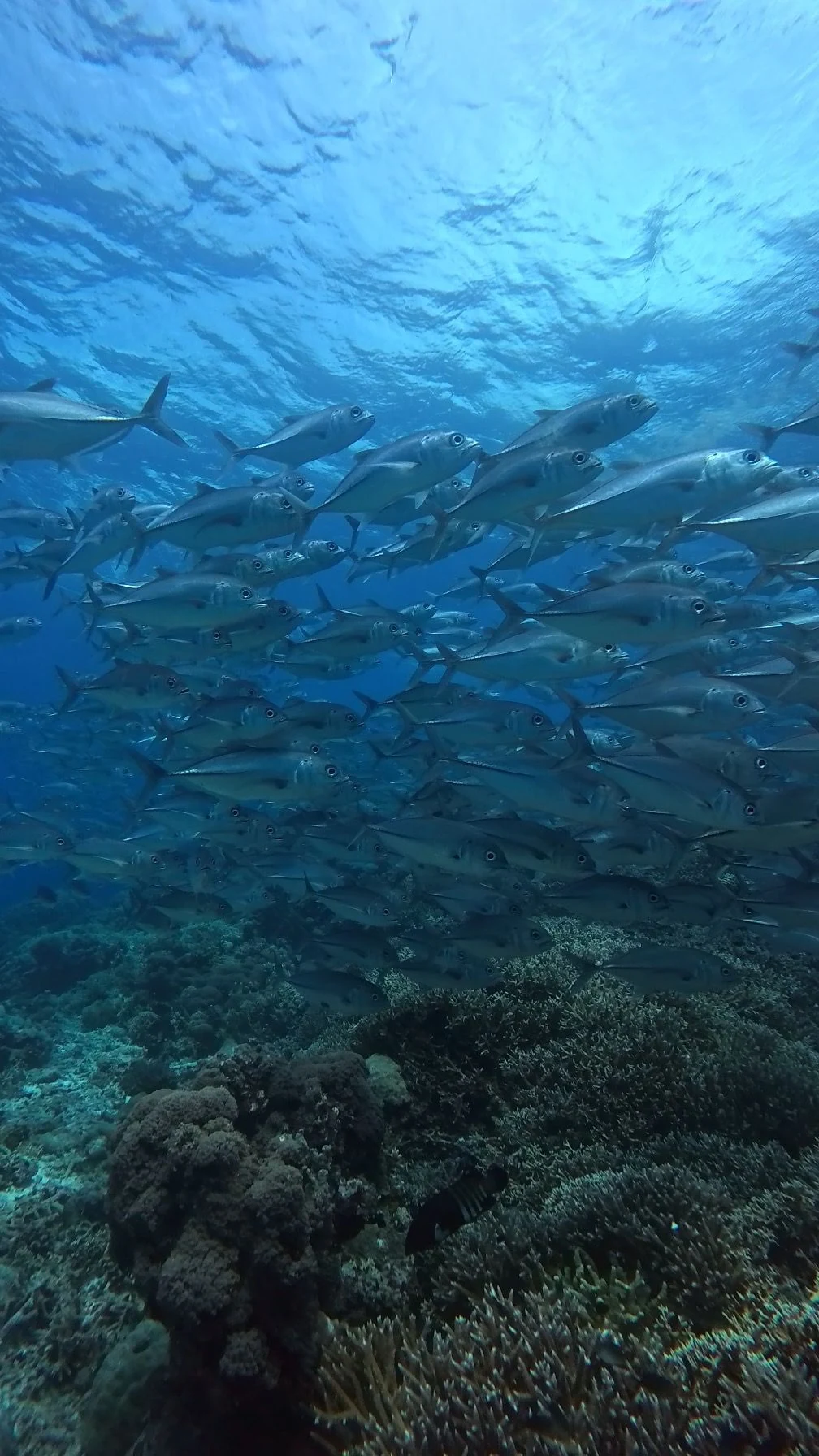
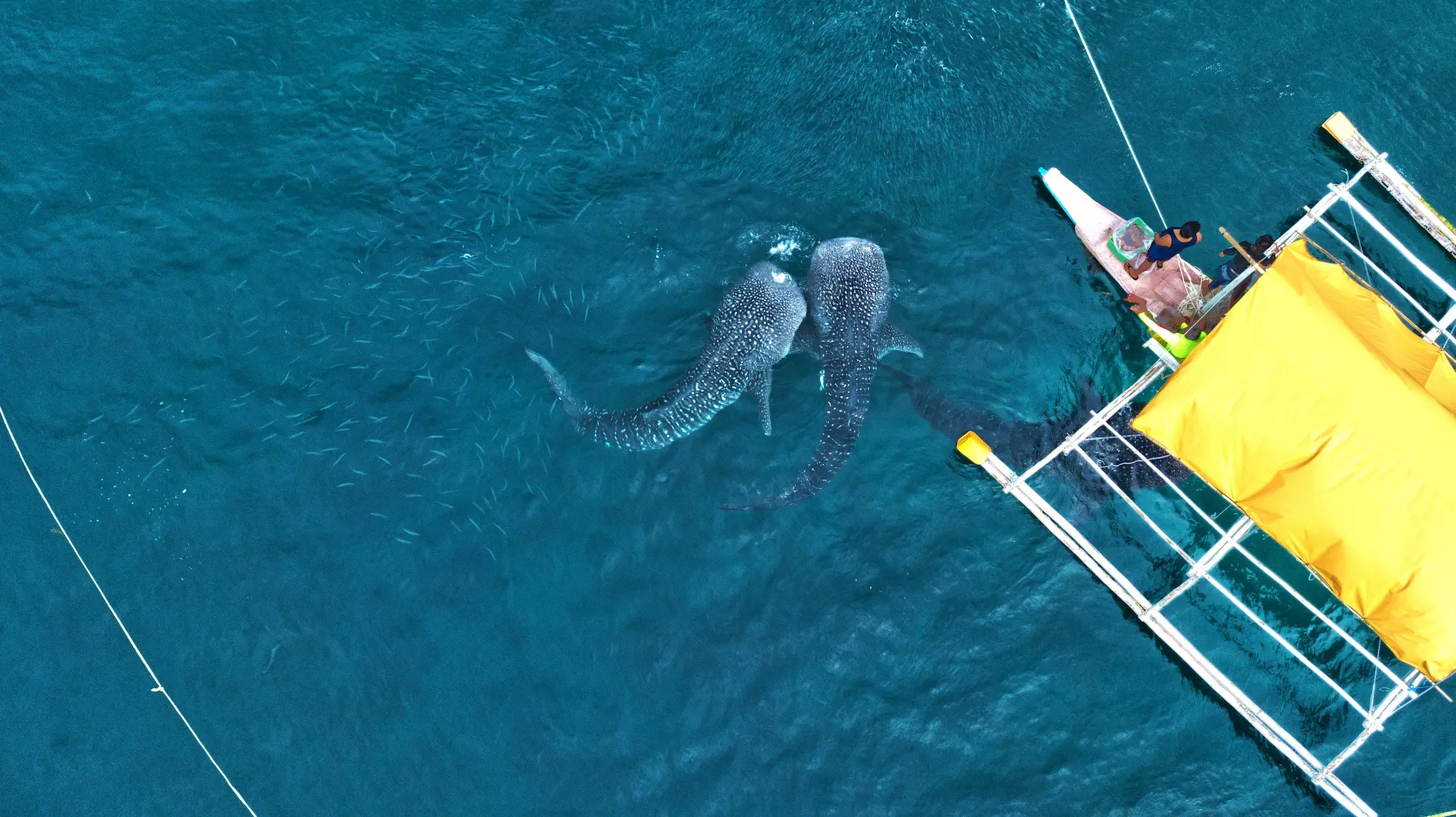
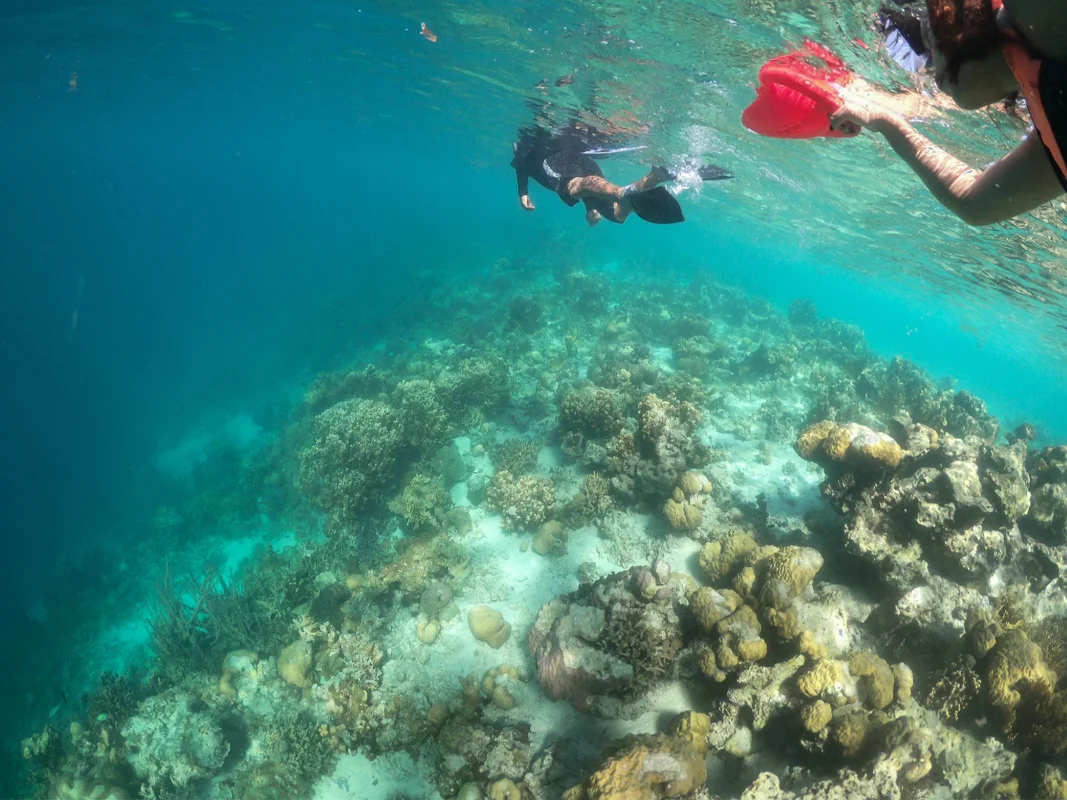
At Moalboal, one of the natural wonders of the Philippines sits a few fin-kicks from shore: the sardine run, a permanent, shape-shifting cloud of millions of fish you can snorkel, freedive or dive straight into, with turtles cruising the same reef and the coral wall of nearby Pescador Island close by. Further south, Oslob offers close encounters with whale sharks — hugely popular, but we are straight with our travellers about it: the sharks are fed to keep them near shore, which is why sightings are so reliable and why the practice is debated. We lay out both sides, mention the wilder, seasonal alternative at Donsol, and let you decide whether it belongs in your trip.
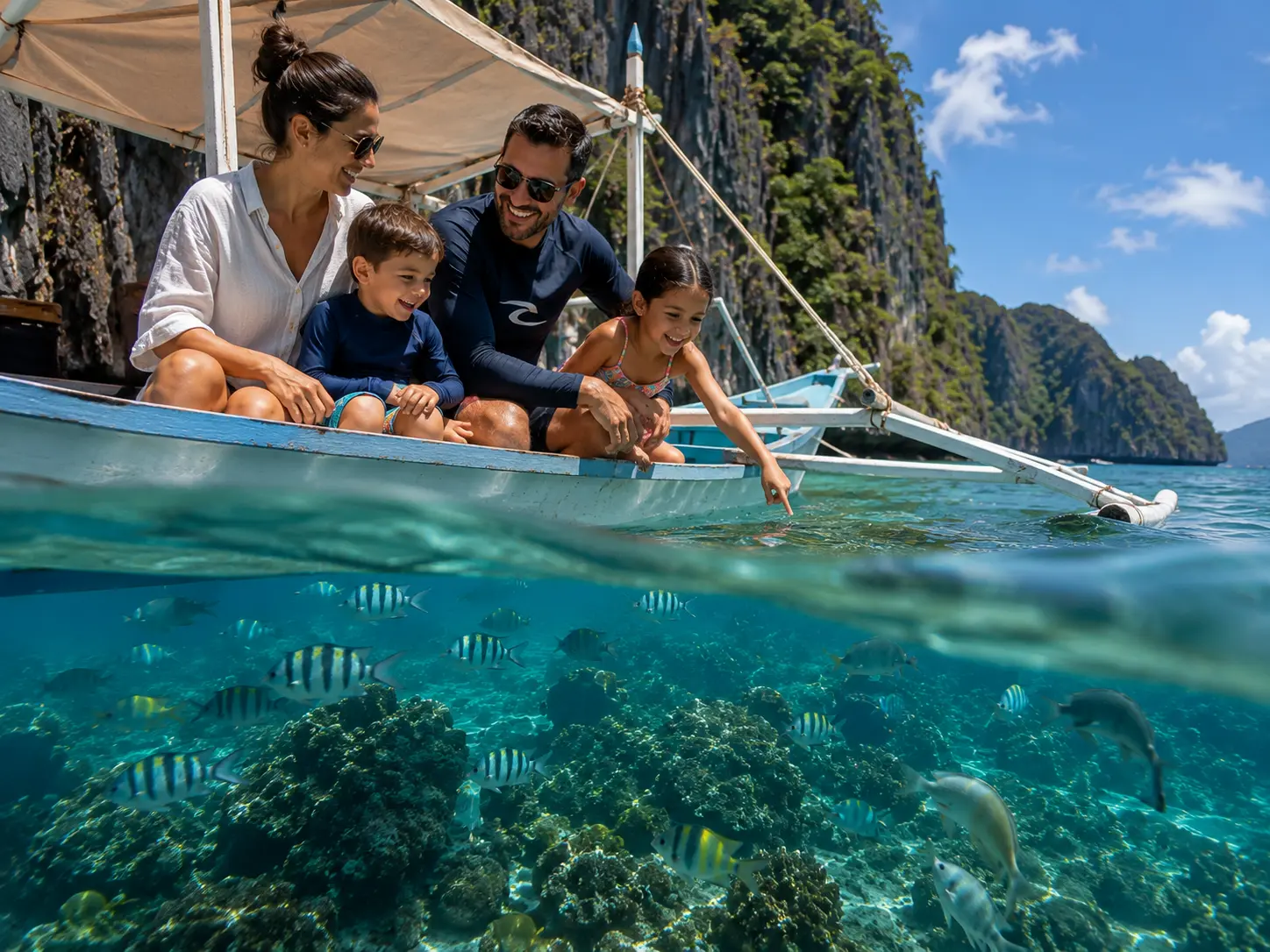
In the city, a half-day heritage tour strings together Magellan's Cross, the Basilica del Santo Niño and Fort San Pedro — the oldest Spanish colonial sites in the country, and an easy add-on before a flight. From Mactan, a gentle island-hopping day by outrigger suits families who want reef, sandbars and a seafood lunch without the long drive south. For hikers, Osmeña Peak and the waterfalls-and-abseiling of Montañeza add real adventure to a south-Cebu base. And for certified divers, the little island of Malapascua off Cebu's northern tip is one of the very few places on earth with near-daily thresher shark dives — it needs several nights and proper planning, and our diving holidays page covers how we build it in.
Where to stay, and how to route it
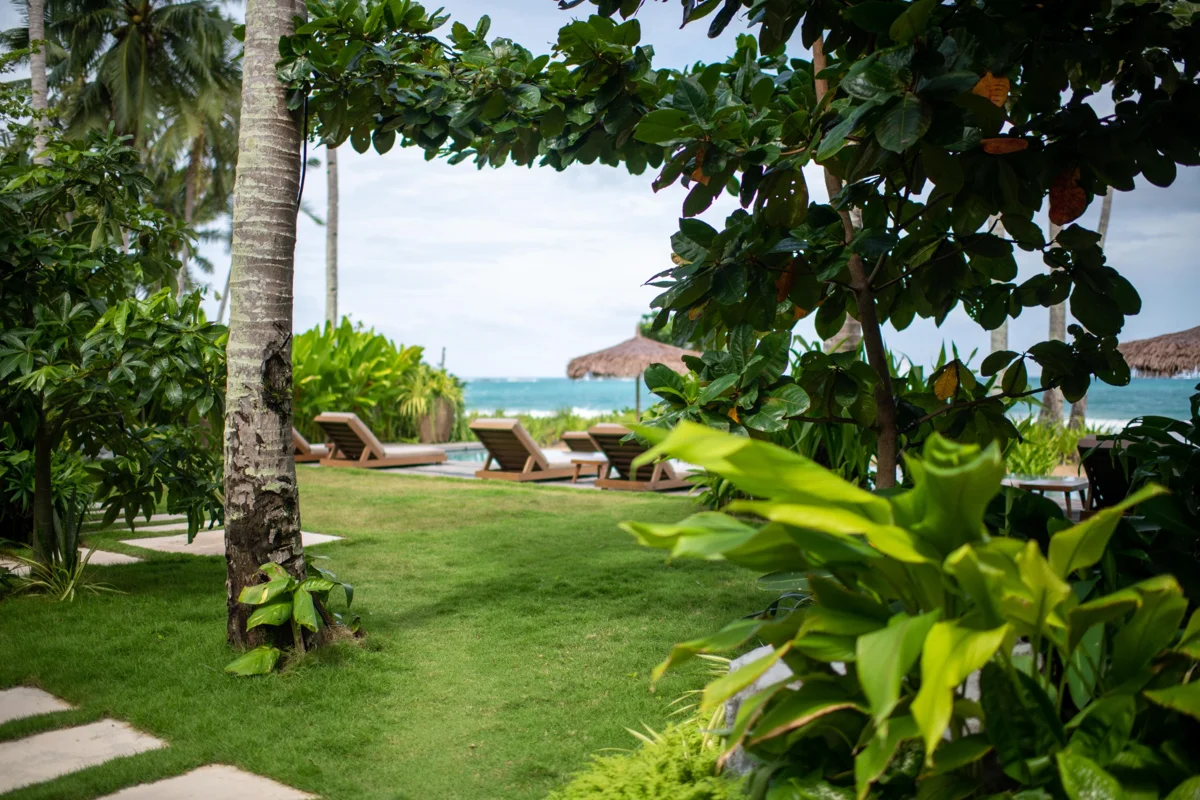
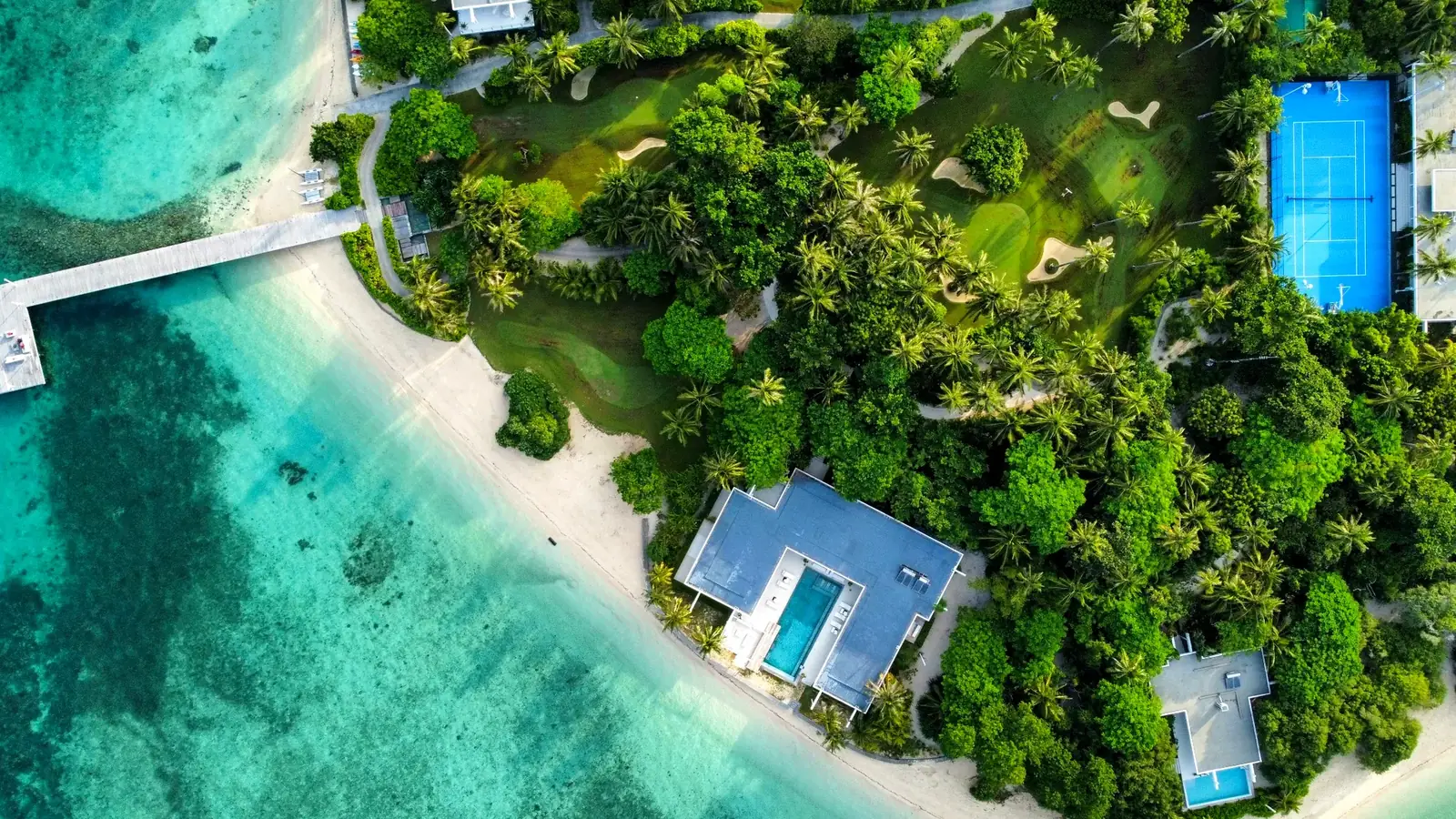
For most travellers, two or three nights in a good hotel in Cebu City or on Mactan is the right base — comfortable rooms, easy airport access and a resort pool to come back to. Mactan's larger beachfront resorts are the family favourites, with water parks and gardens that make an easy first or last stop. Sleeping down in Moalboal makes sense only if the sea is your priority — it is a diver's and snorkeller's town with simpler rooms, not a luxury base, and the same is true of remote Bantayan in the north, where quiet white-sand beaches reward those who value slow days over polish.
Where a little local knowledge really pays off is the routing. Travellers sleeping in the south can carry on from Santander by ferry towards Dumaguete, Apo Island and Siquijor rather than backtracking all the way to Cebu City — turning a there-and-back day into a smooth onward chapter. Add Cebu's dense web of domestic flights, and the island becomes the natural hinge of a Visayas trip: first stop, last stop, or the connection in the middle that spares you a return to Manila.
Our recommendation: treat Cebu as a strategic base, not a beach holiday. Sleep well in Cebu City or Mactan, start the south-Cebu day early — the empty roads reward it — and let the island do what it does best: connect the chapters of your trip without a single wasted transfer.
Combines well with
Cebu's natural partner is Bohol — a fast ferry covers the crossing in about two hours, giving you adventure on one island and beach-resort ease on the other. Direct flights link Cebu with Boracay for a White Beach finale, and with El Nido when Palawan's lagoons are calling. Siargao is also an easy hop for surf and slow island life.
Let Cebu carry your trip, not complicate it.
Tell us your dates before you book flights — we'll route Cebu the smart way and send a free tailor-made itinerary within 24 hours.