

What Shapes the Cost of a Philippines Trip
The real factors behind the price — season, hotels, islands and flights, private versus group, trip length — and how to get the best value from your budget.
One of the first questions travellers ask us is what a Philippines trip costs. The honest answer is: it depends — and mostly it depends on how well the itinerary is built. The Philippines isn't a place where the price is set by the hotel alone. It's an archipelago, and almost every destination needs a logistical connection: a domestic flight, a ferry, a road transfer, or some combination of the three. Two people can take a "two-week trip to the Philippines" and pay very different amounts, even visiting the same islands.
Rather than quote figures, this guide explains the levers that actually move the cost, so you can see where your money goes and decide what matters to you. Once you know the shape of the trip you want, our team can build it to your budget and tell you exactly what it involves.
The factors that shape the cost
Season and timing
When you travel is one of the biggest levers. Peak periods — the December holidays, Easter and the busiest dry-season weeks — carry the highest prices and the tightest availability, for both flights and hotels. Shoulder periods can offer noticeably better value for the same experience. Booking early matters too: late bookings tend to cost more and narrow your choices, especially for the best rooms and the more popular islands. That said, it's never wise to choose dates on price alone — weather, sea conditions and connections all matter, which our best time to visit guide covers in detail.
Hotel level
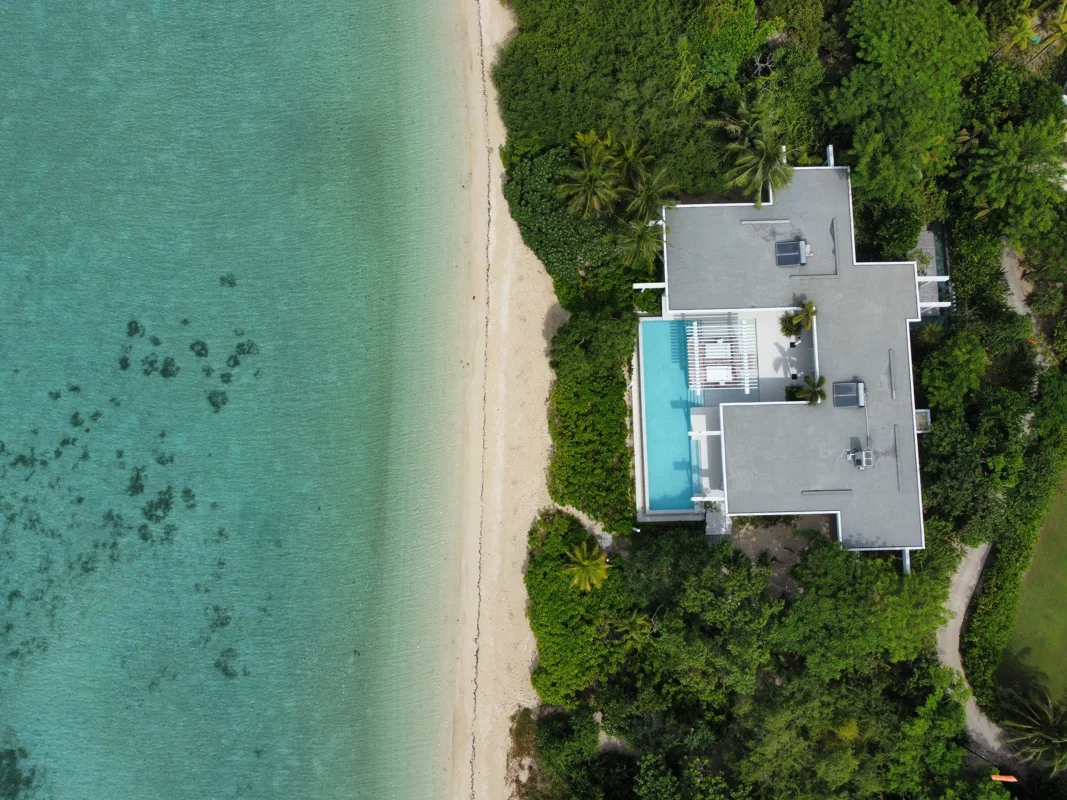
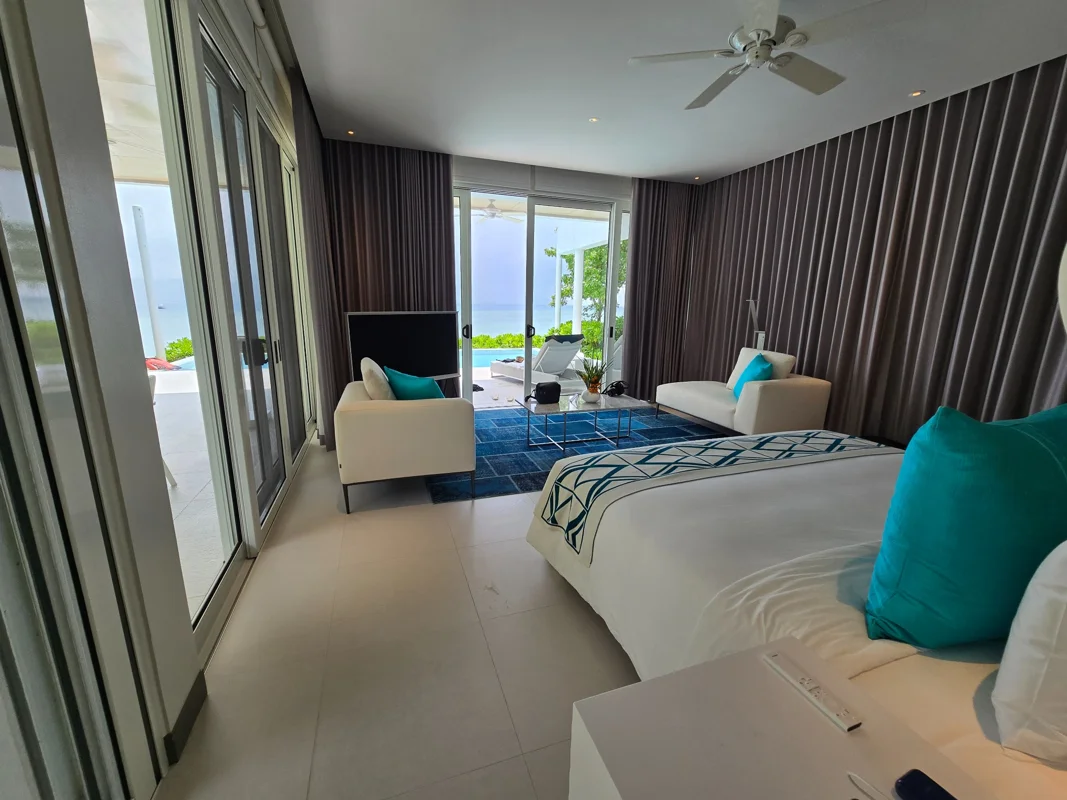
Accommodation varies enormously between destinations and standards, from simple guesthouses through comfortable mid-range hotels to beachfront resorts and private-island luxury. The gap is wide, and it's the single choice most travellers feel most. Just as important as the standard is the location: a cheaper hotel that's far from the beach, the restaurants or the tour jetties can end up costing more in transfers and lost time. Sometimes paying a little more for the right location is the better value.
Number of islands and flights
Every island you add usually means another domestic flight or ferry, another set of transfers, and another change of hotel — each with a cost attached, in money and in time. A route with more islands isn't automatically better; often it's the opposite. Choosing fewer islands and staying longer in each is one of the most effective ways to control the budget while improving the trip.
Private versus group
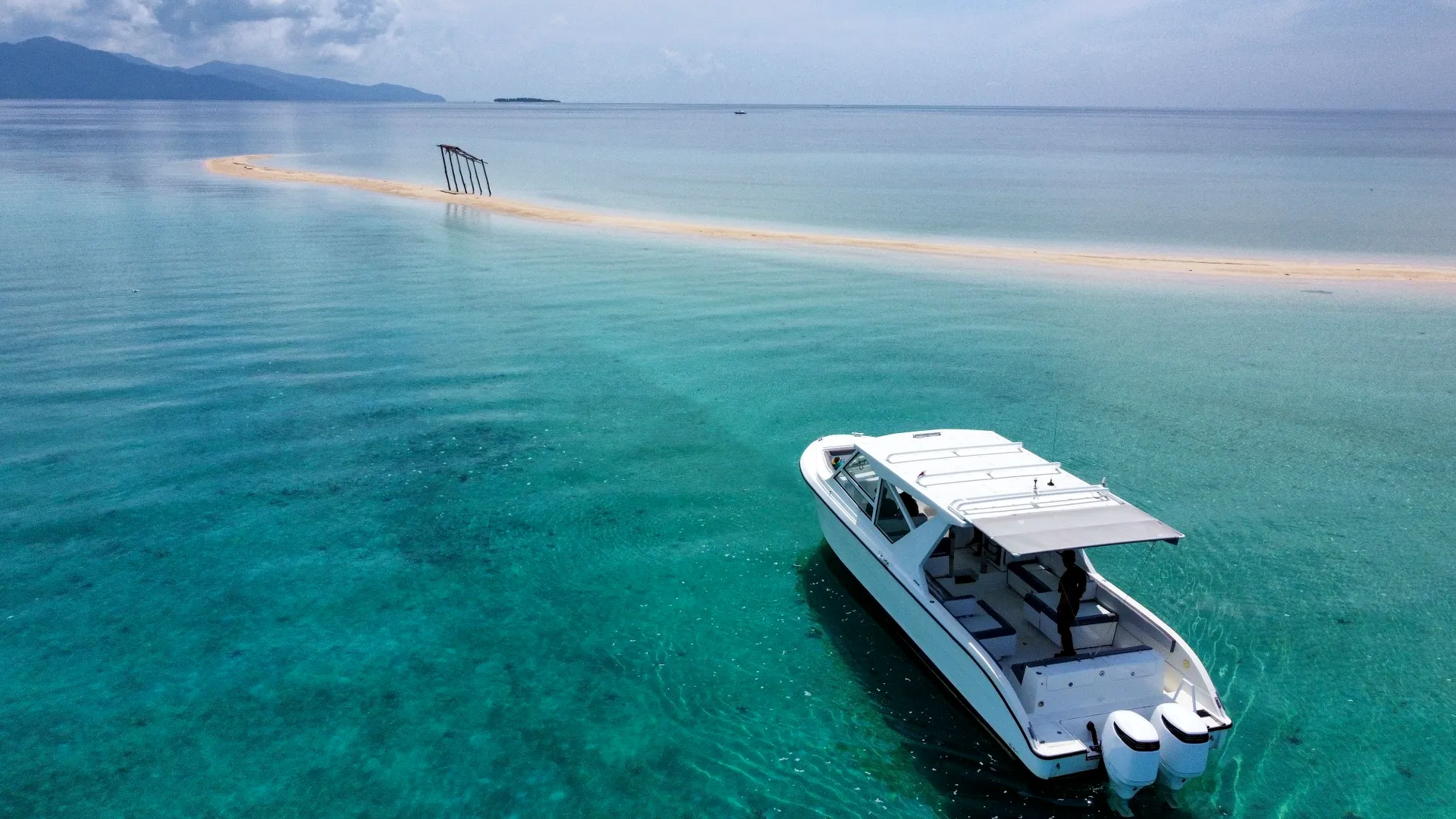
How you travel on the ground makes a real difference. Group island tours and shared transfers are the most economical option; private boats, private guides and private transfers cost more but transform certain days — you set the pace, avoid the crowds and travel on your own schedule. The smart approach is rarely all-private or all-group, but a considered mix: private where it genuinely changes the experience, shared where it doesn't. This is exactly what our private, tailor-made trips are designed to balance.
Trip length and pace
A longer trip costs more in total, of course, but length also affects value. A rushed itinerary spends a surprising amount on transfers and travel days; a well-paced one spends more of the budget on actually being somewhere. Getting the length and the number of moves right is as much about value as it is about enjoyment.
Tell us your style, dates and who's travelling, and we'll design a tailor-made itinerary with a clear, honest price — free, within 24 hours.
The costs people forget
Many travellers budget for flights and hotels, then get caught out by the smaller things that add up. It's worth allowing for domestic-flight baggage and seat selection, airport meals, short tricycle or van rides, cash-machine fees, tips for guides and drivers, entry fees and environmental levies on some islands, laundry, snorkelling or camera gear, travel insurance, and the occasional extra night caused by a flight connection. Individually small, together they're real — so it pays to leave a flexible margin beyond your core plan.
Where you can save without hurting the trip
There are sensible ways to get more for your money:
- Drop one island and stay longer in a great one — you save a flight, a transfer and a lot of hassle.
- Travel in a shoulder period rather than the busiest weeks, where the weather still suits your plans.
- Mix private and group experiences instead of making everything private.
- Choose a well-located mid-range hotel over a grand but remote one.
- Plan domestic flights early, before prices climb and options shrink.
Where not to cut corners
Some savings cost more than they save. An unsafe boat or an unknown operator, a hotel too far from the tour jetties, a connection that's too tight, a domestic flight on the same day as your international one, partial travel insurance, or an over-crowded island tour on a honeymoon or family trip — these are the places where a small saving can spoil whole days. In the Philippines, poor planning doesn't just cost money; it costs experiences.
Why tailor-made isn't necessarily expensive
It's a common assumption that planning a trip yourself is always cheaper than having it designed. In the Philippines that often isn't true. Logistical mistakes here are expensive: a hotel in the wrong location, an awkward internal flight, a poor-quality tour, an unnecessary overnight. A well-built itinerary avoids those, uses the right suppliers and puts your budget where it actually improves the trip. Because we plan the Philippines from the Philippines — with a local team, local guides, boats and drivers — we know where it's worth investing and where it isn't. The aim isn't the cheapest trip or the most expensive one; it's the one that works.
Is the Philippines a cheap destination?
It can be very economical for backpackers, but a comfortable trip with good hotels, domestic flights and quality tours isn't automatically inexpensive. It offers real value for money — the key is planning it well.
Is it cheaper to book everything myself?
You can, but in the Philippines logistical mistakes cost money. A hotel in the wrong spot, a problematic internal flight or a poor tour can turn a small saving into a big expense.
What's usually the biggest part of the budget?
International flights, hotels and domestic flights. On a honeymoon or luxury trip, the hotels and private experiences tend to become the main element.
Is there a cheaper time of year?
Outside the peak periods, particularly in the shoulder months, you can find better value. But don't choose dates on price alone — check the weather, sea and connections too.
Let's build a trip to your budget.
Tell us your style, dates and how many are travelling, and we'll design a tailor-made Philippines itinerary with a clear, honest price — free, no obligation, within 24 hours.