
When is the best time to visit the Philippines?
Dry versus wet, the Amihan and Habagat winds explained, and the right window for beaches, diving and surf — coast by coast.
Why the answer is never just "December to April"
"When should I go to the Philippines?" sounds like a simple question, and it's one of the most important in the whole trip. The country is a huge archipelago, and the weather in Boracay isn't always the weather in Siargao. The sea can be glassy in El Nido while the wind is up elsewhere; a month that's perfect for diving in Bohol may be the surf season in Siargao. So the real answer isn't a single date — it's a matter of where you're going, what you want to do, and how much flexibility you have. Get those three right and almost any month can work.
Amihan and Habagat, in plain English
Filipinos talk about two winds rather than four seasons, and once you understand them the map makes sense. Amihan is the cool, dry northeast monsoon that settles in from around November to February — the crisp, pleasant heart of the travel season, with lower humidity and calmer western seas. Habagat is the warm, wet southwest monsoon of roughly June to September, which pushes the rains up against west-facing coasts. Between them sits the hot dry spell of March to May, the local summer: still excellent for the islands, simply warmer.
The crucial point is that these winds hit different coasts differently, which is why one part of the country can be sunny while another is soaked.
Coast by coast
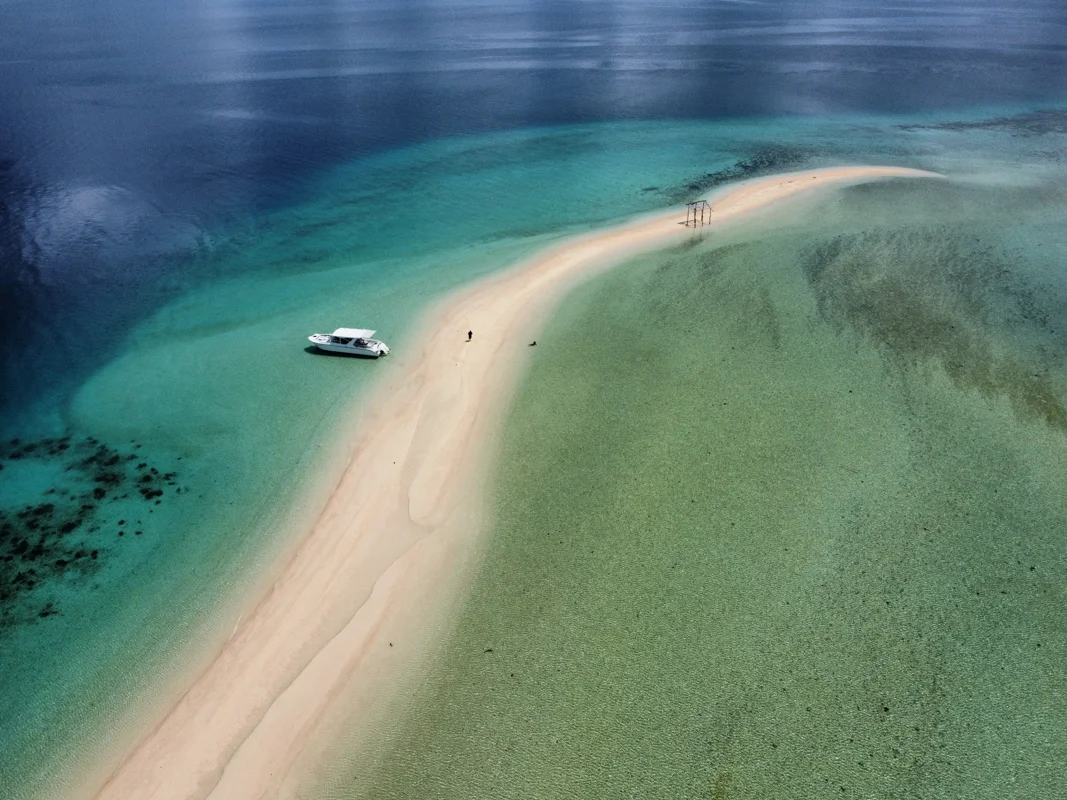
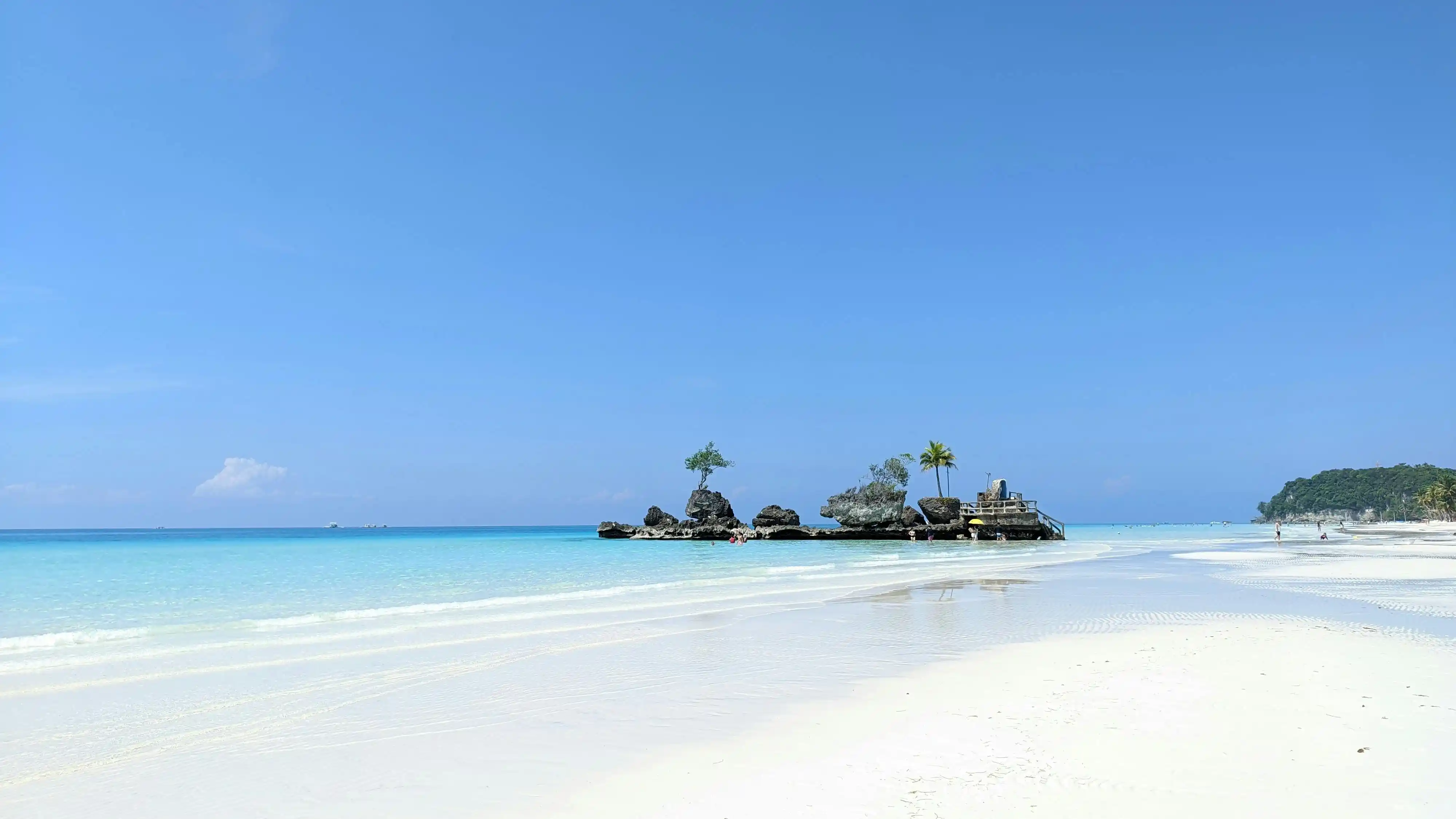
The west — Palawan, Boracay, Manila. This is the classic dry-season coast. El Nido, Coron and Boracay are at their best from December to April, when the Amihan keeps the sea calm and the island-hopping boats run without fuss. In the Habagat months these same west-facing beaches feel the wind and rain most, so they need more flexibility built into the plan.
The centre — Bohol and Cebu. Bohol, Panglao and Cebu enjoy a longer, gentler window — good for much of the year, with December to May the most comfortable. Their blend of land and sea makes them resilient: even a wet morning rarely spoils the day, which is part of why they suit a first trip so well.
The east — Siargao. Siargao follows its own rhythm. The swell that surfers chase at Cloud 9 builds when the Amihan is running, so the best months for surfing aren't necessarily the calmest months for a relaxed beach stay. If you're coming to ride, plan around the wave season rather than the dry season.
Month by month
A quick read on each part of the year:
- January — excellent and relatively cool; strong for families, couples, honeymooners and the islands.
- February — one of the very best months: comfortable weather, good seas, peak conditions for a first trip, beaches and diving.
- March — excellent and warmer; superb for the sea, diving, Boracay, Bohol and Palawan.
- April — very good but hot, and busy around Holy Week; book well ahead.
- May — hot, with the seasonal shift beginning; suits flexible travellers and brings slightly better value.
- June — the wet season starts in many regions; fine with a flexible route.
- July–August — wetter, with a higher chance of disruption; workable on a well-planned itinerary, less ideal for a short first trip or honeymoon.
- September — rainy overall, but a good month for surf in Siargao.
- October — a transitional month that can offer real value for those who accept some uncertainty.
- November — often a lovely shoulder month with fewer crowds and softer prices.
- December — excellent, though busy and pricier over the festive period; book early.
Our team designs tailor-made Philippines trips around exactly this — free, within 24 hours.
The best window for what you want to do
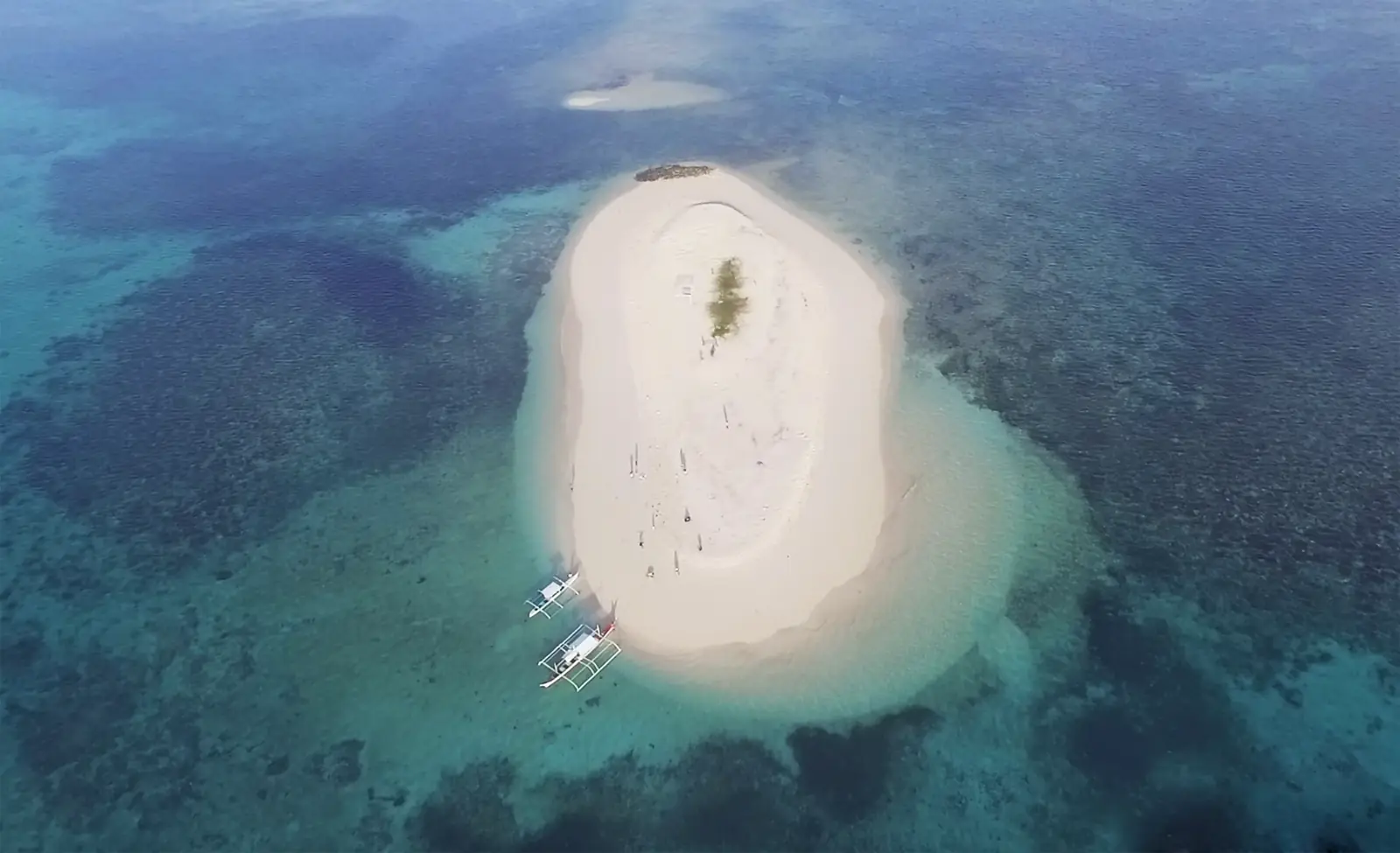
Beaches and island-hopping. December to April is the safe, reliable heart of the season across Palawan and Boracay, with the calmest seas and the fewest cancelled boat tours.
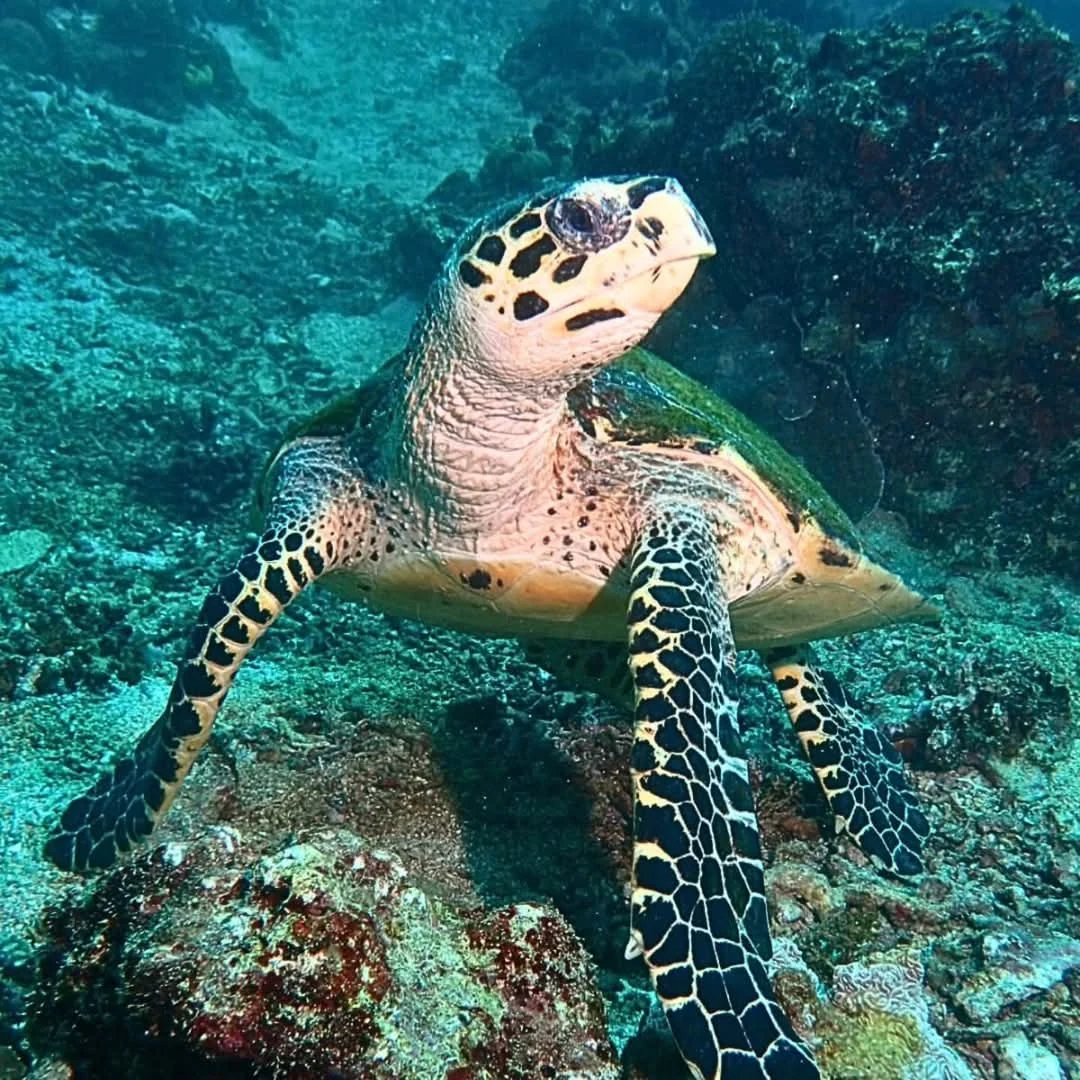
Diving and snorkelling. March to May brings warm water and excellent visibility in many areas, though conditions are site-specific — each dive region has its own quirks of current and clarity, so it's worth checking the exact spot rather than the general season.
Surfing. Siargao's waves are strongest from around August to November, peaking in the later months — a different calendar entirely from the classic beach season.
Honeymoons and families. Aim for the stable window of December to April, and book early; these are trips that want certainty and calm seas rather than a bargain. See our companion guides on the Philippines honeymoon and the Philippines with kids, and the money pages for a tailor-made honeymoon or family holiday.
Can you travel in the wet season?
Yes — with the right expectations. Wet-season rain often falls hard for an hour and then clears, and plenty of weeks are gloriously sunny. But the risk of disruption is higher: boat tours can be scrubbed, seas can turn, and domestic flights can slip. It suits flexible travellers, longer trips and anyone happy to change plans; it suits a short honeymoon or a ten-day first trip far less. The Philippines is exposed to typhoons, mainly in the wetter months, though the risk varies by region and week — which is exactly why a flexible route matters. The trick is to plan fewer destinations, leave wider margins, and never build the whole holiday around a boat trip that must happen on one particular day.
Our recommendation
For a first trip, couples, families and honeymooners, aim for December to April. For better value and fewer crowds, look at November, early December and May. If you're travelling in the wet season, plan lightly and flexibly. And remember that timing shapes far more than the weather — it drives price, crowds, hotel availability and the odds of the whole route running smoothly. For the bigger planning picture, read our guide to planning your first Philippines trip.
What is the single best month to visit the Philippines?
February is one of the best months for most travellers: comfortable weather, good seas and a strong season overall. January, March and April are excellent too.
When is best for El Nido and Boracay?
December to April, when the Amihan keeps the western seas calm and island-hopping runs reliably. This is when both are at their finest.
Are there typhoons in the Philippines?
Yes. The Philippines is exposed to typhoons, mainly in the wet season, though the risk varies by region and month — another reason to plan with flexibility.
Is August a good time to go?
You can travel in August, but it carries a higher chance of rain and disruption. It's less suited to a short first trip or honeymoon, and better for flexible, longer itineraries.
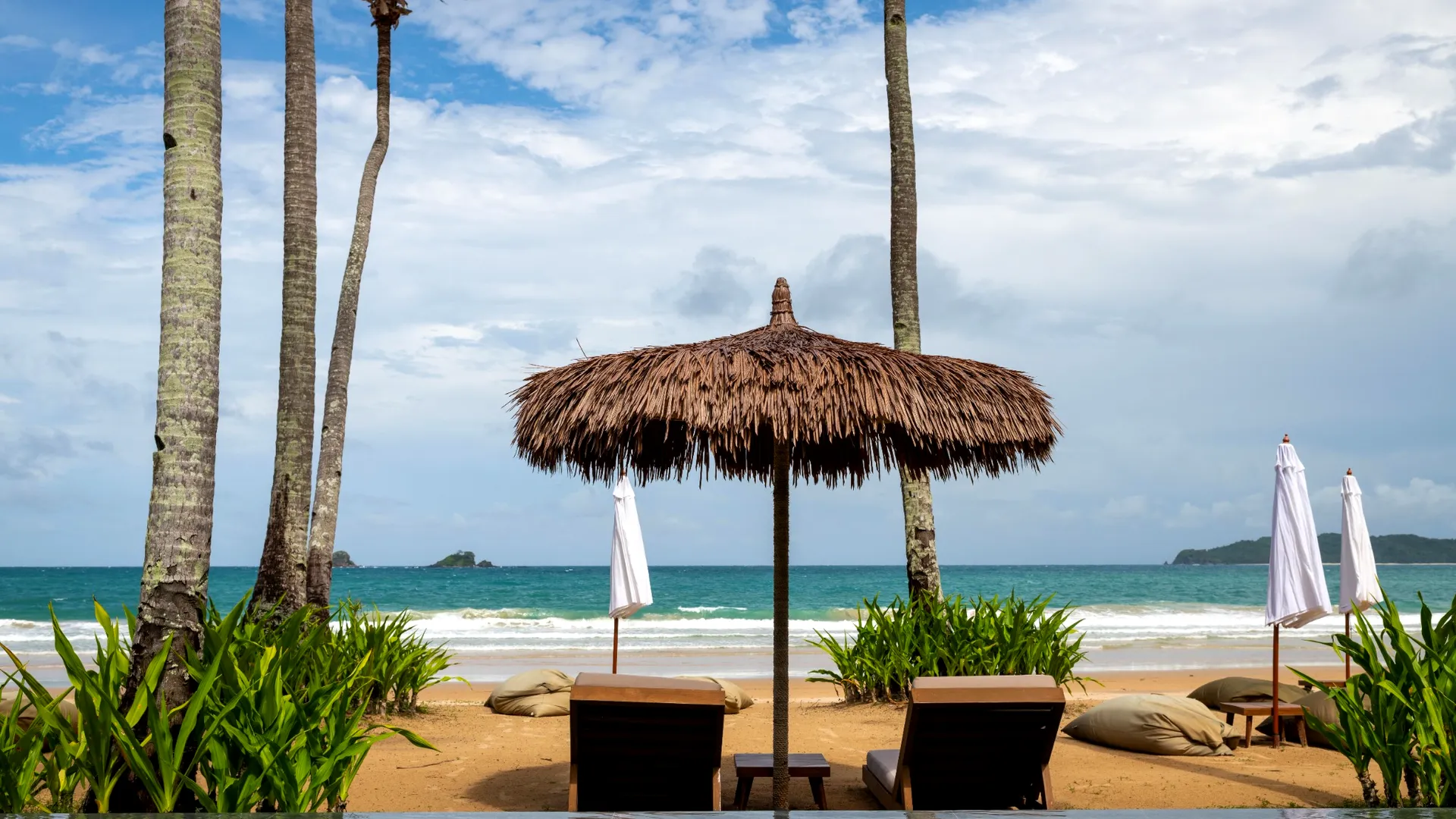
Travel at the right time, to the right island.
Send us your dates and we'll recommend the destinations and route that suit them best — a free tailor-made itinerary within 24 hours.