
Planning your first trip to the Philippines
How a Philippines holiday actually works — which islands to choose, how long to go, when to travel and how it all joins up.
The Philippines isn't one destination — it's thousands
Most of Southeast Asia rewards the traveller who simply turns up. Thailand and Vietnam string together on trains and short hops; you can be loose about it and still have a wonderful time. The Philippines is different. It is a vast nation of more than 7,000 islands, and that single fact shapes everything about a first trip. Every move between destinations tends to involve a domestic flight, a ferry, a van transfer, a boat, a wait at a small airport and weather that has its own opinions.
That is exactly why the Philippines can be the holiday of a lifetime — or a stressful scramble between departure gates. The difference is rarely the islands themselves, which are magnificent almost everywhere. It's how well the trip is joined together. This guide sets out how it all works, so your first visit feels like the former.
How a Philippines trip actually works
Think of the country less as one destination and more as a collection of very different ones, each with its own airport or ferry port, its own season and its own character. A typical first itinerary threads together three or four of them, and you'll usually fly internationally into Manila or Cebu, then continue on domestic flights and fast ferries to the islands.
The trap almost everyone falls into is trying to see everything. Travellers gather photographs of El Nido, Coron, Bohol, Boracay and Siargao and try to fit them all into a fortnight. On a map it looks easy. In practice, a single hop — El Nido to Bohol, say — can swallow the best part of a day: a road transfer, a flight through Cebu or Manila, a wait, then another flight or ferry and a final drive to the hotel. In the Philippines, distance isn't measured in kilometres. It's measured in connections. A good first trip isn't the one with the most islands crammed in; it's the one where three or four are joined together sensibly, with room to actually enjoy them.
The islands, in brief
A quick orientation to the places most first-timers weigh up:
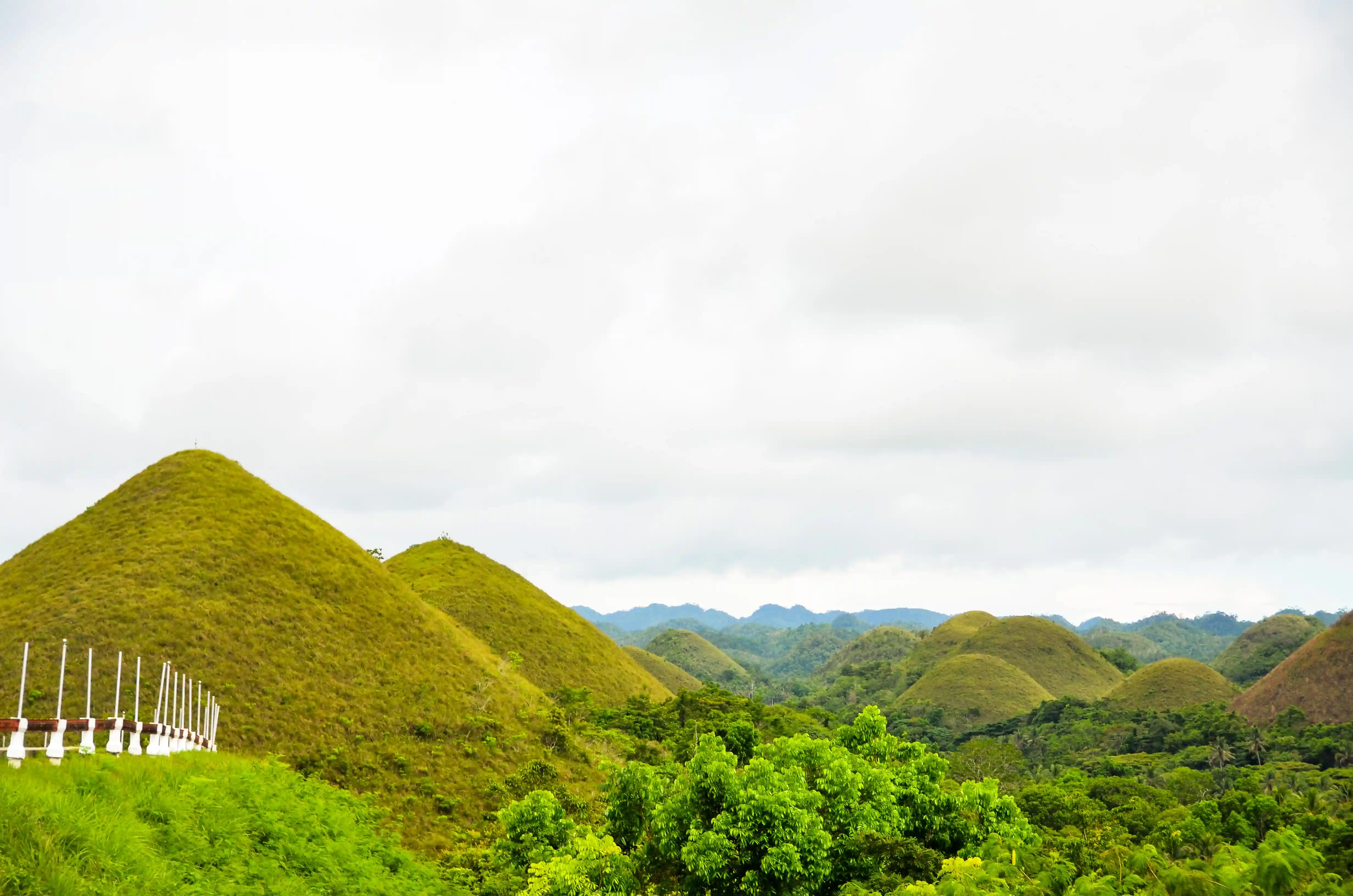
Bohol and Panglao — the most balanced choice for a first trip, blending beaches, diving, the Chocolate Hills, tarsiers and the Loboc River with genuinely comfortable hotels and easy logistics. If one rainy day strikes, the mix of sea and land means the holiday isn't lost.
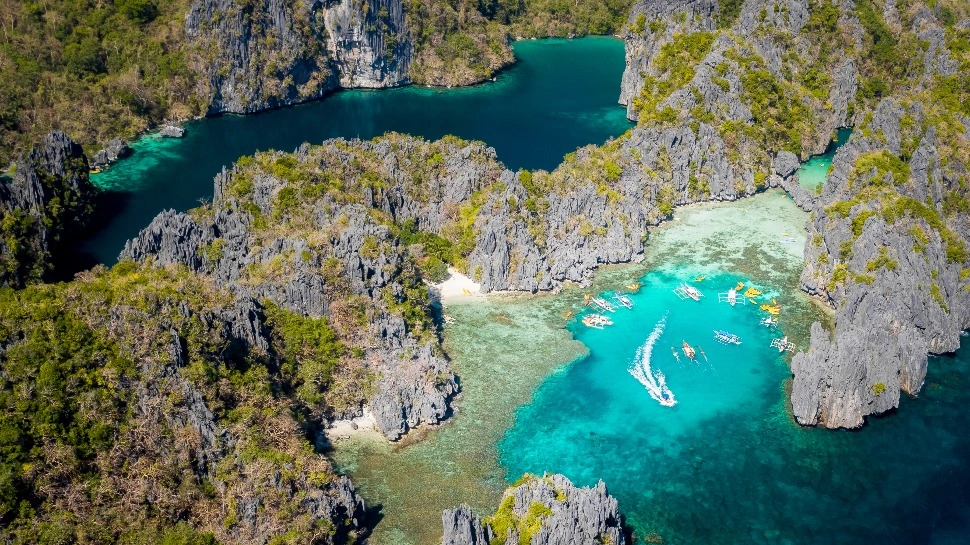
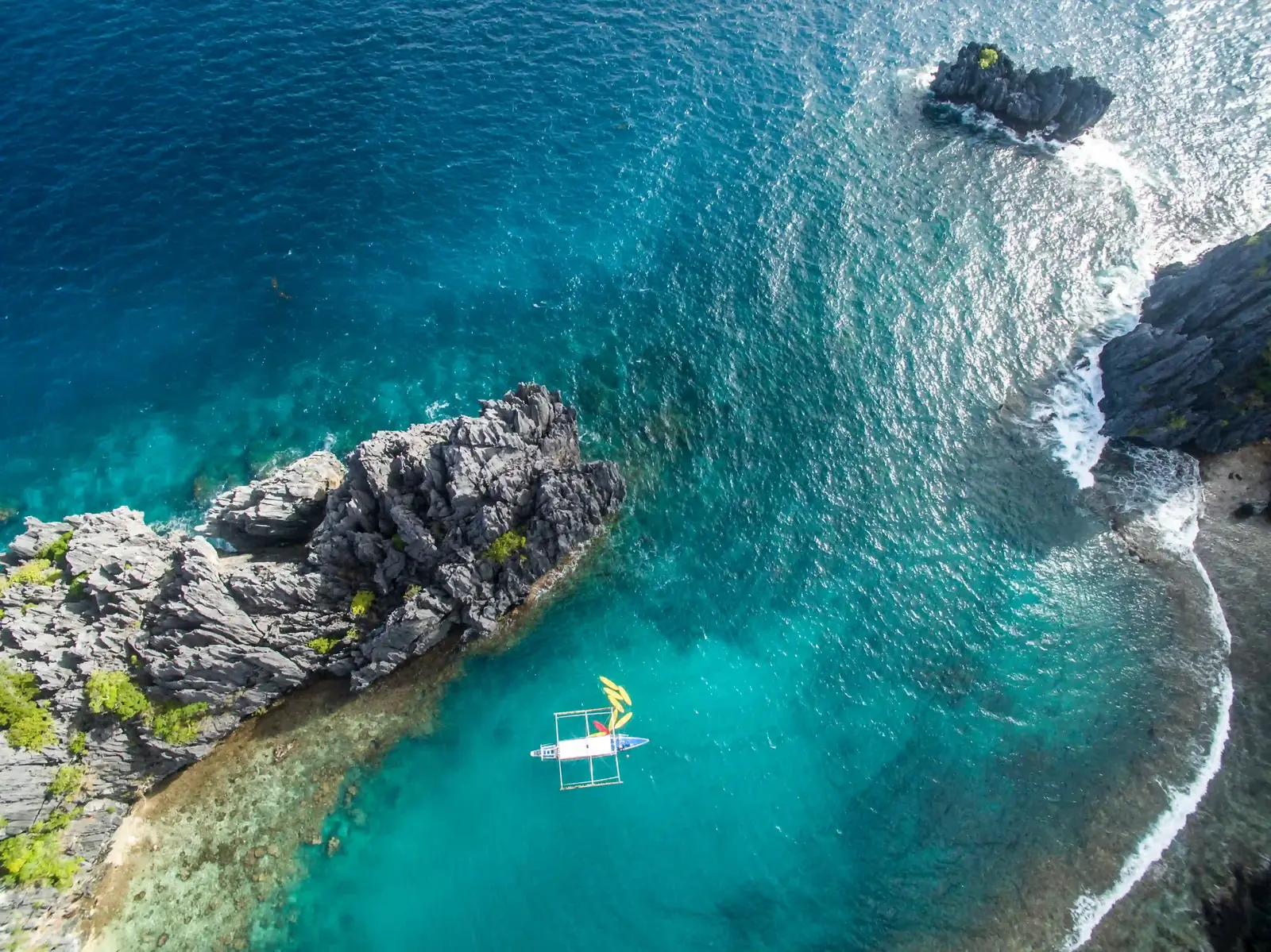
El Nido — the postcard Philippines: turquoise lagoons, limestone cliffs and hidden beaches, all reached by island-hopping boat tours across Bacuit Bay. Unbeatable scenery, best for those who don't mind spending full days on the water.
Coron — El Nido's wilder cousin further north in Palawan, with jungle lakes, lagoons and some of Asia's finest wreck diving. See our head-to-head, El Nido vs Coron, and the wider Palawan guide.
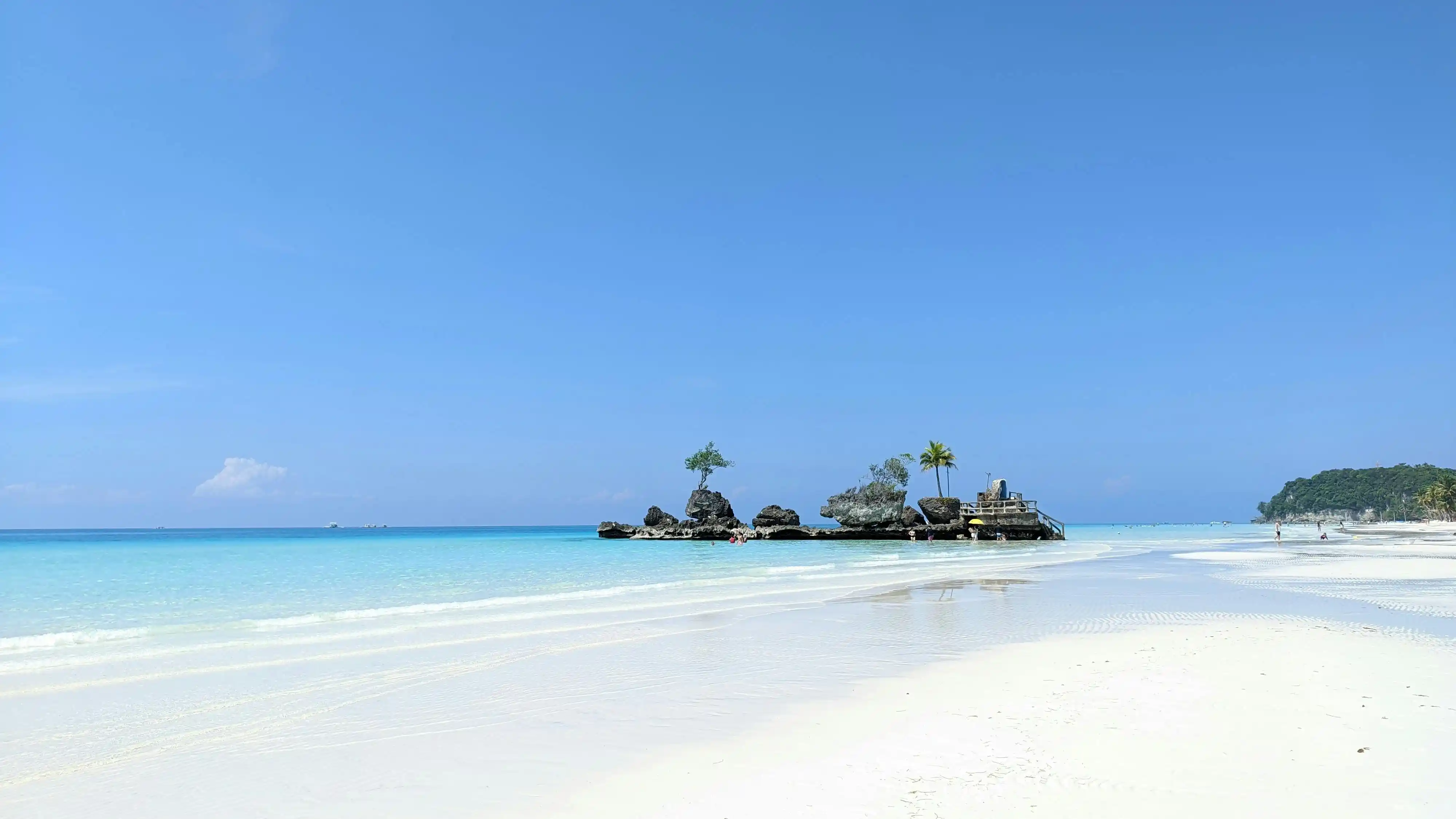
Boracay — the classic beach finale: four kilometres of powder-white sand, good hotels, restaurants and famous sunsets. Less adventurous than Palawan, far more relaxing to end on.
Cebu — a major transport hub as much as a destination, and the gateway to Moalboal's sardine run, canyoneering and whale sharks. Most travellers pass through rather than linger in the city.
Manila is the main international gateway rather than a holiday in itself; a single night at the start or end usually earns its place by cushioning tight flight connections.
Our team designs tailor-made Philippines trips around exactly this — free, within 24 hours.
How long do you need?
You can travel the Philippines in ten days, but for a first visit we suggest aiming for fourteen to eighteen nights on the ground. That lets you see several of the finest regions without turning the trip into a relay race. The shorter the trip, the fewer destinations it should hold.
When to go
The broad answer is the dry season, roughly December to May, when seas are calmest and island-hopping tours run reliably. December to April is the prime window for beaches, couples and families. But the Philippines is a big archipelago and no single month suits every corner of it — it can be raining in Bohol and glorious in El Nido on the same day. For the full picture, month by month and coast by coast, read our guide to the best time to visit the Philippines.
Getting around: flights, ferries and transfers
Domestic flights are simply part of a Philippines trip — most travellers take two or three of them, on carriers such as Philippine Airlines, Cebu Pacific and AirAsia. Delays and schedule changes are a normal part of island life, so the golden rule is never to build connections too tight. A few principles save a great deal of stress:
- Never take a domestic flight on the same day as your international flight home — leave a buffer night in Manila or Cebu.
- Avoid two domestic flights in a single day where there's a better option.
- Don't schedule an important boat trip on a late arrival day.
- Check whether islands connect directly or only via Manila or Cebu — it changes the whole route.
- Remember that ferries depend on the sea; a calm crossing one day can be cancelled the next.
- Allow real time for luggage, boats and transfers — they add up.
This is precisely why routing matters more than the shortlist of islands. Two places that look close on a map can be a full day apart, while a further one may connect by a single easy flight. We plan the Philippines from the Philippines, so we build the order, the number of nights and the connections to feel seamless rather than forced — see how a fortnight fits together in our 14-day Philippines itinerary.
What surprises first-timers
A few things catch people out. The sea is central to the experience, so flexibility isn't optional — a spare day here and there is a margin, not a luxury. Ferries and boat tours can be called off for weather even in the dry season. Power can stutter on the smaller islands, which makes a hotel with a proper generator worth its rate. Hotel location matters enormously: a beautiful room in the wrong spot can quietly undo a stay. And the food is milder and simpler than Thai or Vietnamese cuisine — plenty of rice, seafood, grilled meats and fresh fruit, with international restaurants clustered in the tourist hubs. Arrive with a little flexibility and an open mind and the Philippines is effortless; arrive with a rigid, overloaded schedule and every small change becomes a problem.
How many days do I need for a first trip?
At least fourteen nights is our recommendation. Ten to twelve is workable if you choose fewer destinations, while sixteen to eighteen makes for a fuller, more relaxed trip.
Which islands are best for a first visit?
There's no single answer, but for most travellers we suggest pairing Bohol with a Palawan destination and a beach finish such as Boracay — a strong blend of nature, islands, comfort and tropical scenery.
Is it better to book domestic flights myself?
You can, but check connection times, baggage policies, the correct airport and sensible buffers carefully. On a multi-island trip, professional planning prevents a lot of avoidable problems.
Do Australian and UK passport holders need a visa?
Australian and British passport holders can normally enter the Philippines visa-free for up to 30 days as tourists, and all arrivals complete a free online eTravel registration before flying. Always confirm the current requirements before you travel.
Your first Philippines trip, planned properly.
Tell us your dates and travel style and we'll design a tailor-made first itinerary — the right islands, in the right order — free, within 24 hours.