
Manila
Almost every Philippines holiday begins or ends here. The honest question isn't whether to stop — it's for how long, and we'll give you a straight answer.
The gateway — treated honestly
Let's be candid: nobody flies across the world for Manila. It's a vast, energetic, traffic-tangled metropolis, and the islands you came for are a short domestic flight away. For most tailor-made itineraries we design, one night in Manila is enough — land, be met by your driver, sleep well in a good hotel near the airport or in Makati, and fly out to the islands fresh the next morning.
Unless. Unless you're curious about the Spanish-era walled city of Intramuros and the story of the Philippines. Unless you'd enjoy one of the surprisingly good day trips within reach of the capital. Unless you want an evening of serious eating and cocktails, or a last day of shopping before the flight home. Give Manila a purpose and two or three nights repay themselves; give it none and it's simply a comfortable landing strip. Either answer is fine — what matters is deciding on purpose rather than by default.
If you stay: what's genuinely worth it
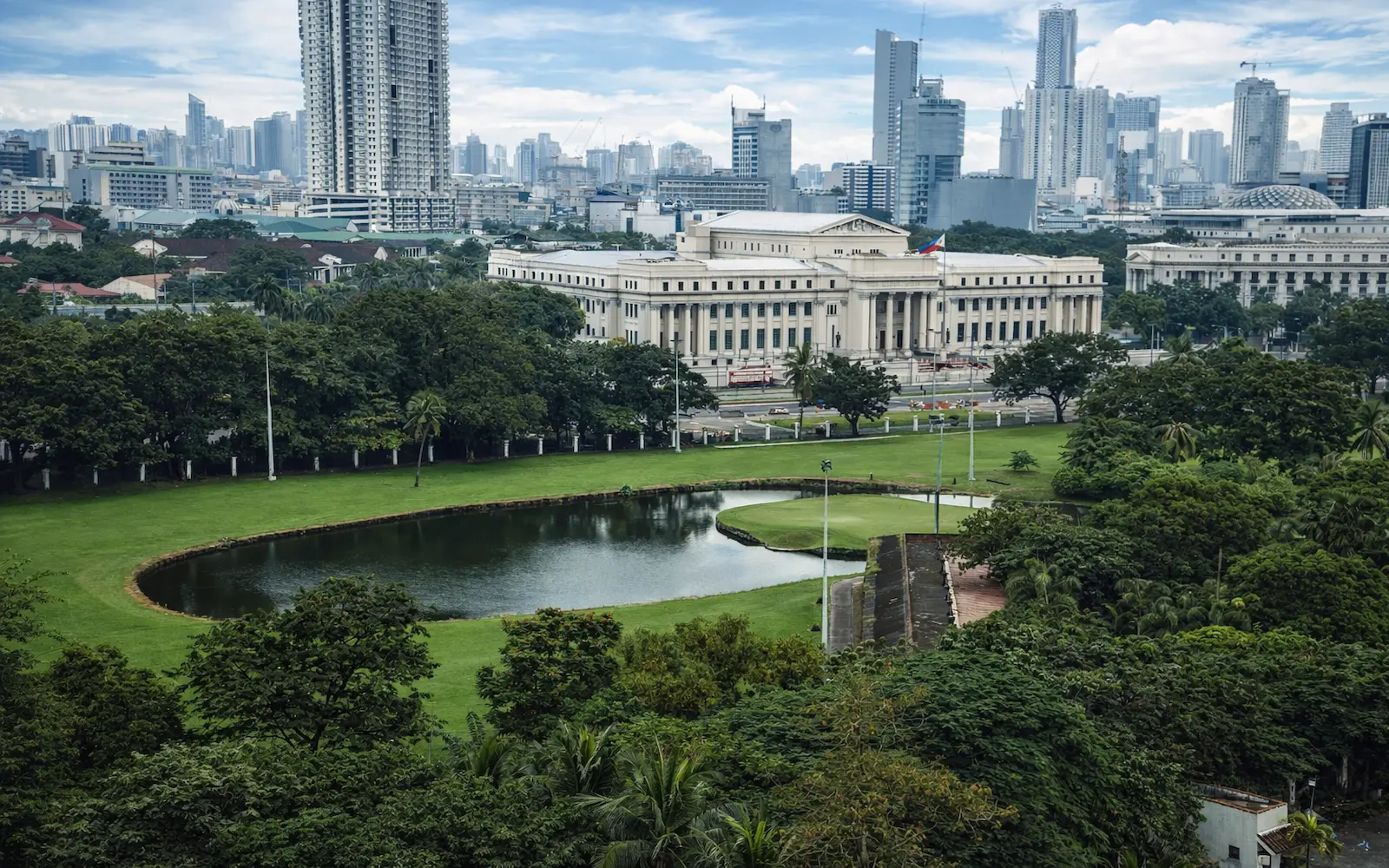
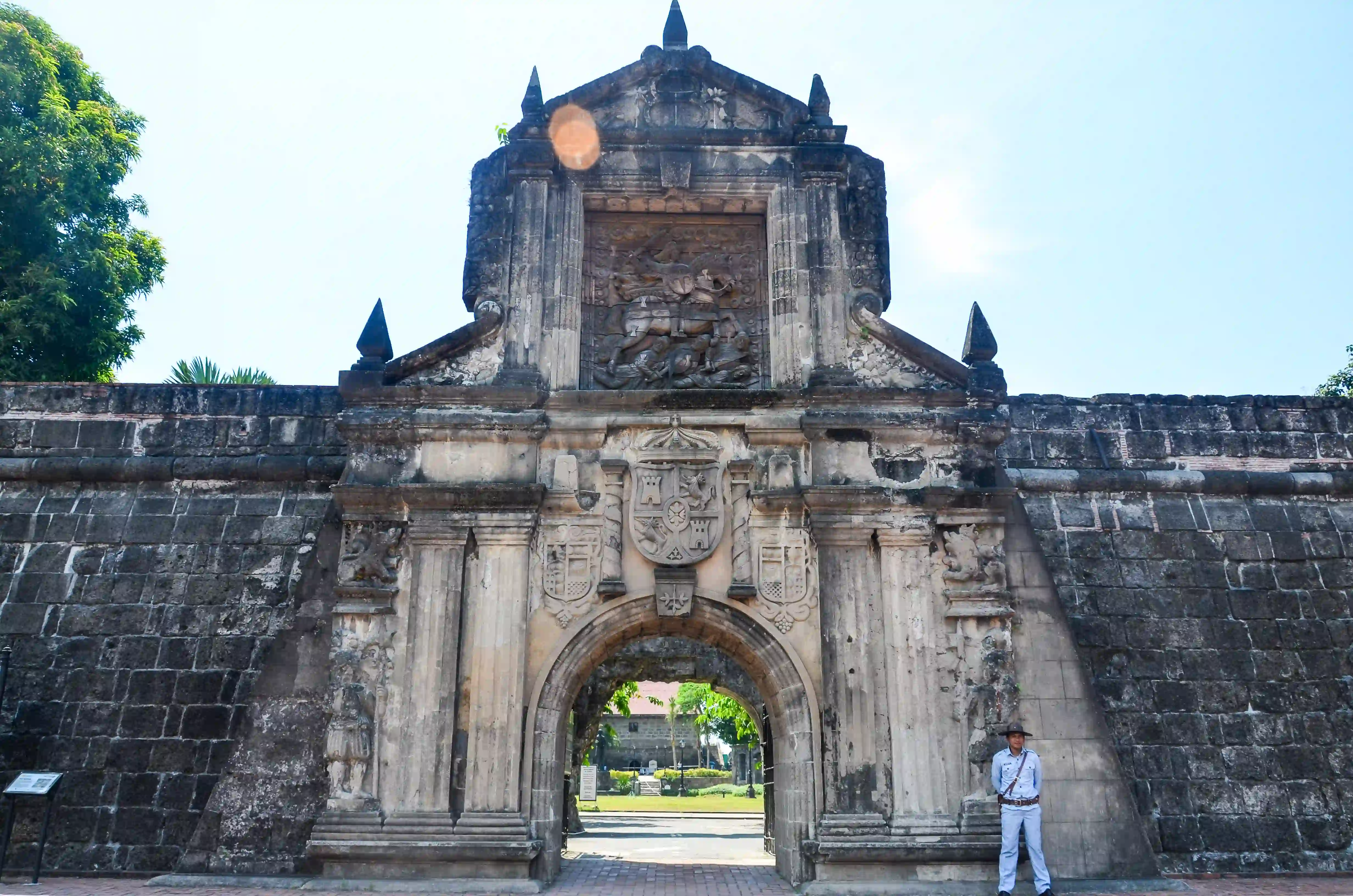
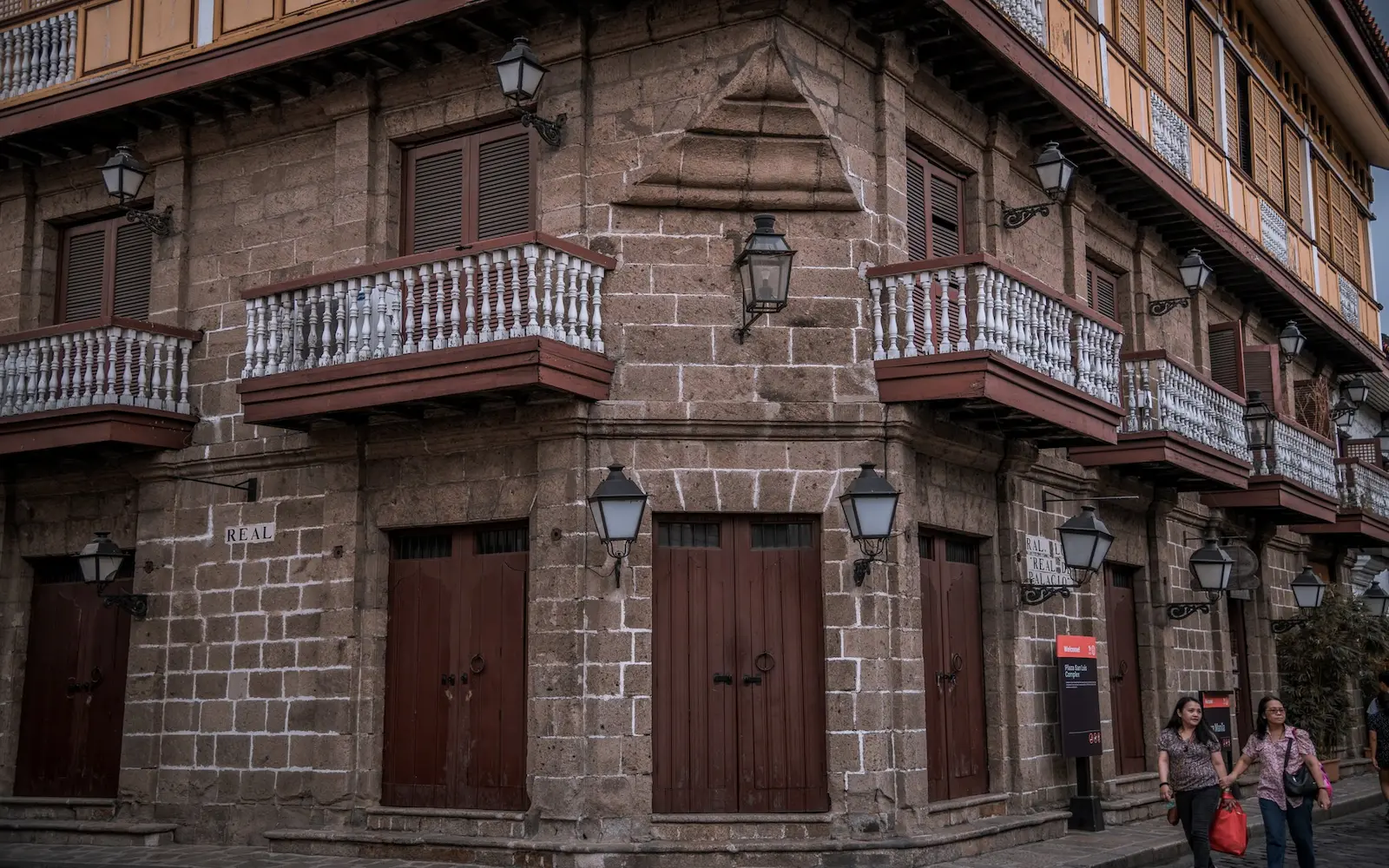
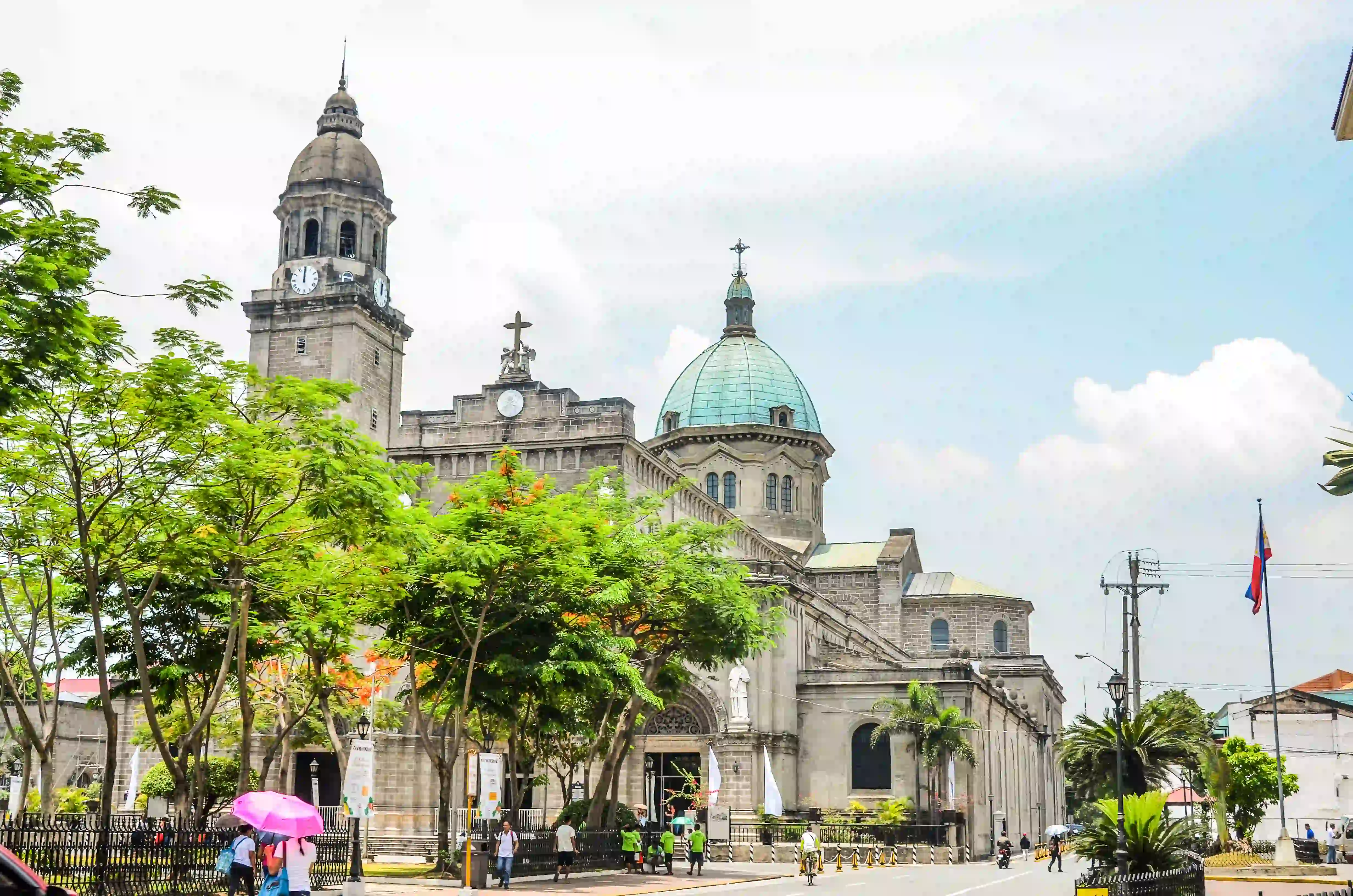
Start with Intramuros, the 16th-century walled city the Spanish built at the mouth of the Pasig River. Half a day covers Fort Santiago, San Agustin Church and Manila Cathedral, ideally with a guide who can bring José Rizal's story to life — it's the single best key to understanding the country you're about to travel through. Rizal Park and the National Museum sit just outside the walls.
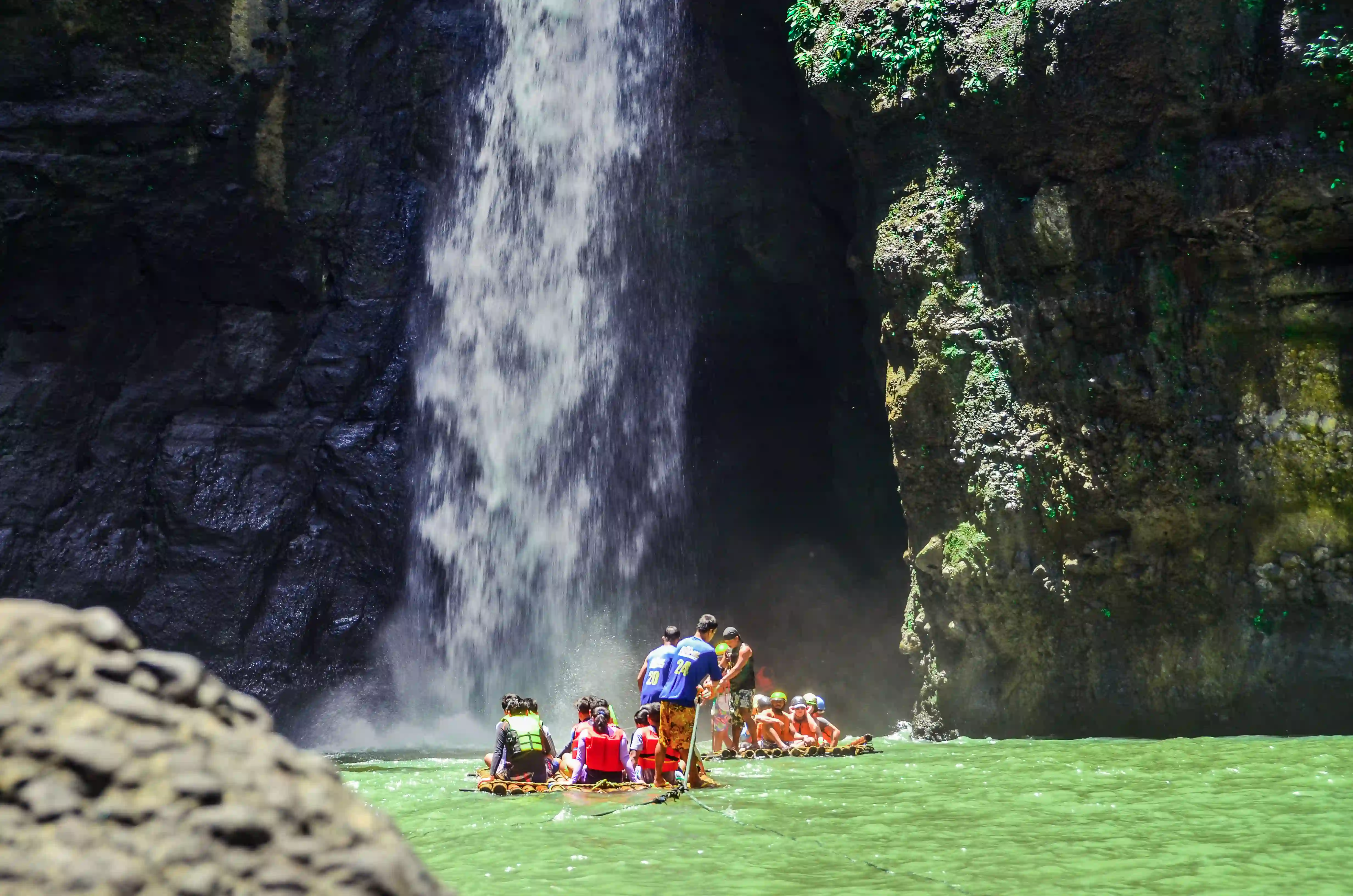
For a taste of the city's other history, Binondo — founded in 1594 and reckoned the oldest Chinatown in the world — rewards a wander or, better, a guided food crawl through its dumpling houses and century-old bakeries. But the capital's real trump card is its day trips. Our favourite is Pagsanjan Falls, an hour or two south in Laguna: local boatmen paddle and haul a slim dugout canoe up a jungle gorge, then shoot the rapids on the way back down — wet, exhilarating and a genuine highlight for anyone with older children, though not one to book on a flight day. Further south, the ridge-top town of Tagaytay trades the heat for cool air and a long-lunch view over Taal, one of the world's smallest active volcanoes sitting in its own lake.
Back in the city, evenings belong to Makati — polished restaurants and rooftop bars around the Ayala district, and the cocktail rooms and small kitchens of neighbouring Poblacion — while shoppers can happily lose a half day between Greenbelt's leafy designer malls and the pearl and bargain stalls of Greenhills. And a massage or spa hour, taken on your first afternoon to shake off the flight or your last before the overnight home, is one of Manila's simplest and most civilised pleasures.
Where to stay
There's no single right neighbourhood — it depends on your flight times and what the stop is for. Makati (around Ayala) is the polished all-rounder: international hotels, restaurants and shopping in a walkable, orderly pocket. Poblacion, on Makati's edge, suits couples who want the city's best small bars and restaurants on their doorstep. Bonifacio Global City (BGC) is modern, leafy and easy with children. And for a single night between flights, the hotels of Pasay and Entertainment City sit closest to the airport — practical rather than romantic, and exactly right for a late arrival or early departure.
Our recommendation: before you buy international flights, talk to us. Manila's traffic is real, NAIA's terminals are far apart, and when your international and domestic flights are on separate tickets your bags won't be checked through — so we leave a proper buffer, ideally around five hours, between them. Often the smartest ticket is open-jaw: into Manila and home from Cebu, or the reverse, which can spare you a domestic flight and a night of backtracking. And for getting around the city, we'll have a private driver ready rather than leaving you to the airport taxi queue. Getting this one decision right shapes the whole route.
Combines well with
Everything — that's the point of a gateway. Most of our routes touch Manila once and fly straight on: to El Nido or Puerto Princesa for Palawan, to Boracay for the classic beach start, or to Cebu, which also works beautifully as your exit airport at the end of an island arc.
Land smoothly. Leave smartly.
Tell us your flight ideas before you book — we'll route Manila the right way round and send a full tailor-made Philippines itinerary within 24 hours.