
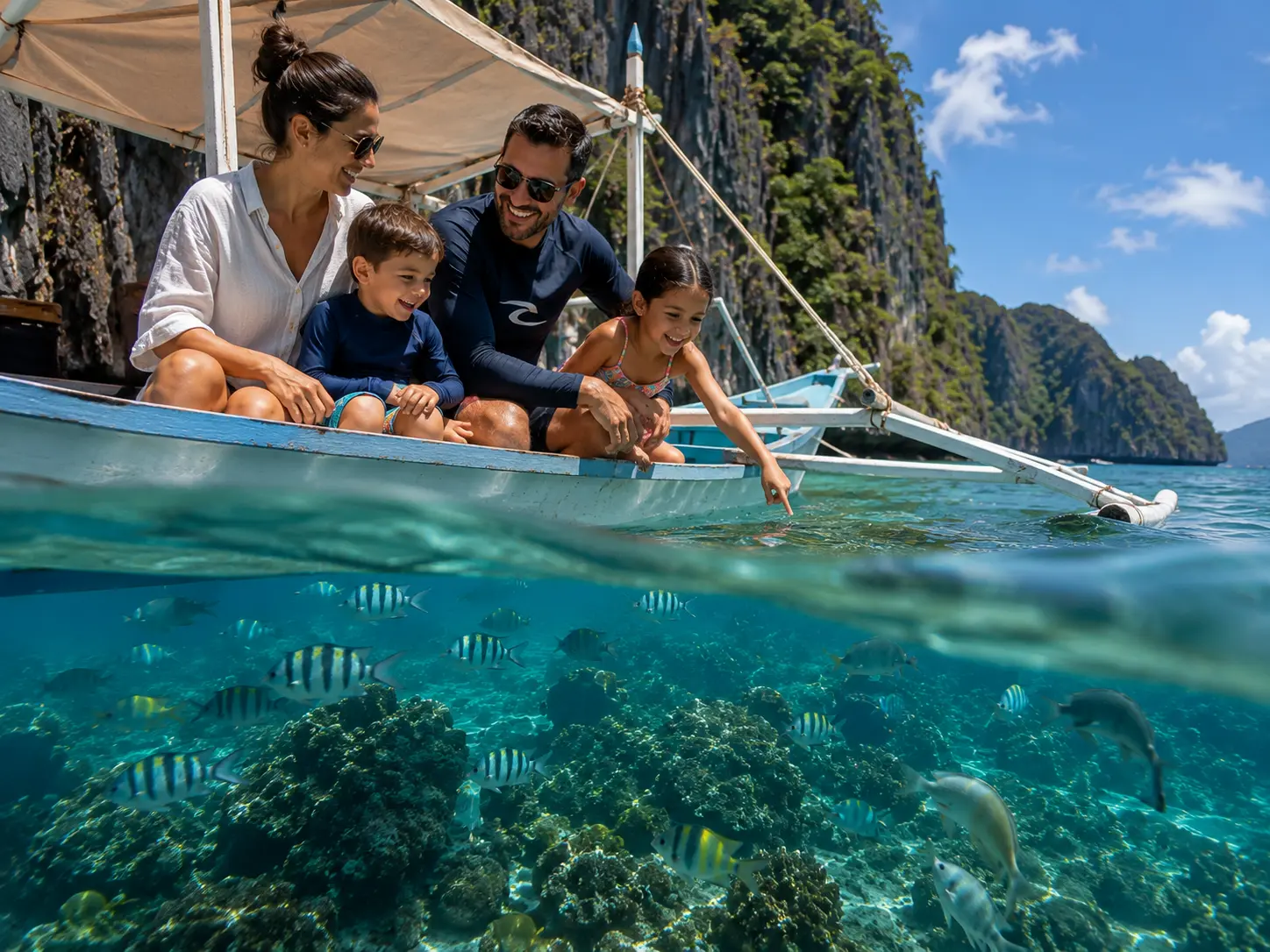
The Philippines With Kids: A Parent's Guide
Which islands suit which ages, how the logistics really work, and the practical detail on packing, health, food and safety at sea.
The Philippines can be a wonderful family destination — warm, calm seas, white beaches, snorkelling, tarsiers and river cruises, hotels with pools and some of the friendliest people in Asia. But it's an archipelago, and that changes how a family trip works. Unlike a country where you can drive between regions, almost every move here involves a domestic flight, a ferry or a boat, plus transfers, luggage and the occasional wait. With children, each of those moves is felt more.
So a successful family holiday isn't measured by how many islands you manage to "fit in" — it's measured by choosing the right ones, staying a sensible number of nights, and picking hotels that genuinely work for families. This guide covers the practical parent detail: how to choose by age, what the logistics involve, and how to handle food, health and the sea. When you'd like it turned into a real trip, our family page is the place to start.
Choosing by age
Young children (roughly 3–6)
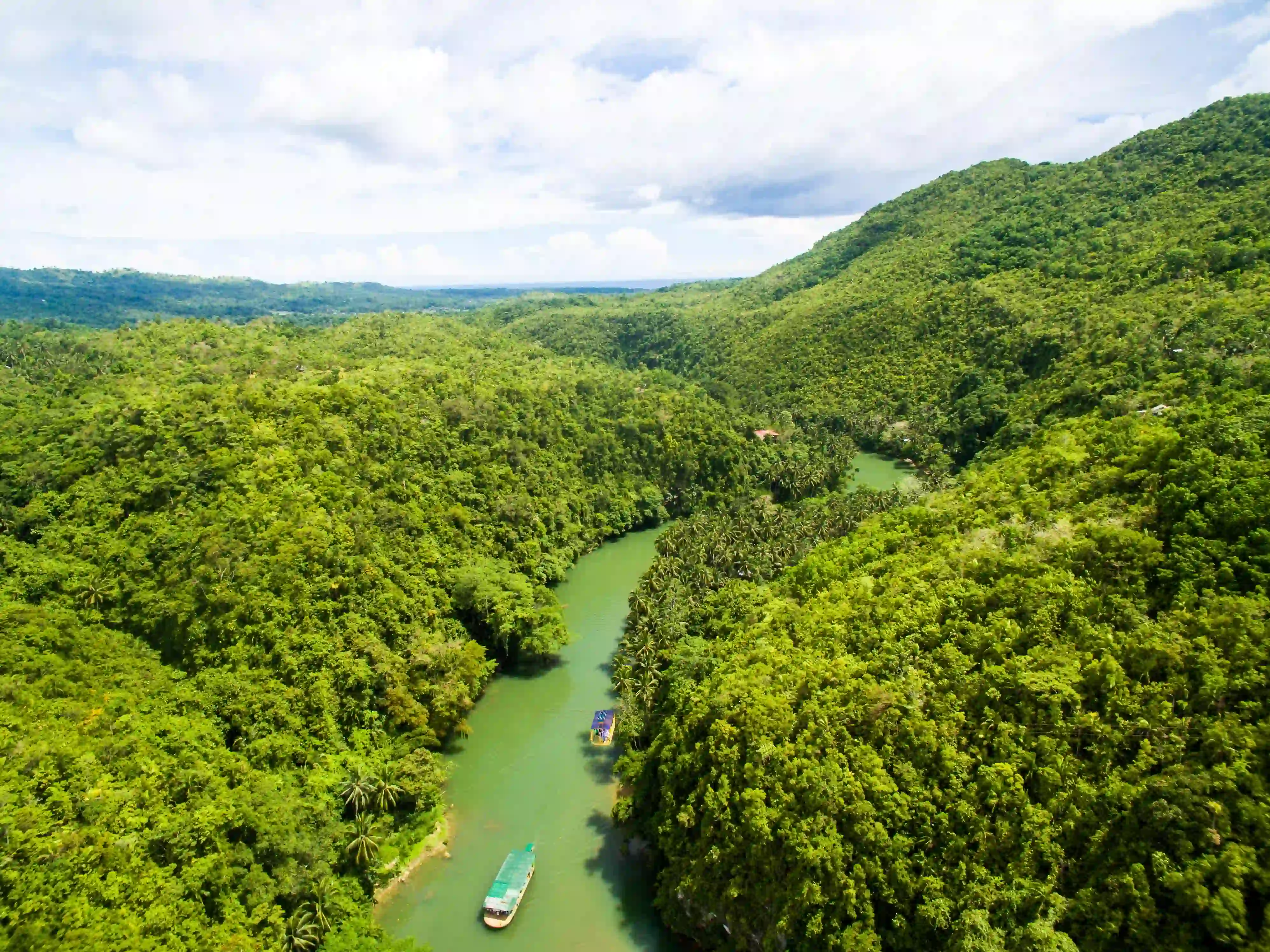
You can absolutely travel with little ones, but keep the itinerary gentle: fewer flights, no long boat days, comfortable hotels with a pool, a beach close by and unhurried days. Bohol and Boracay tend to make the best base at this age, balancing experience with comfort.
School-age children (roughly 7–12)
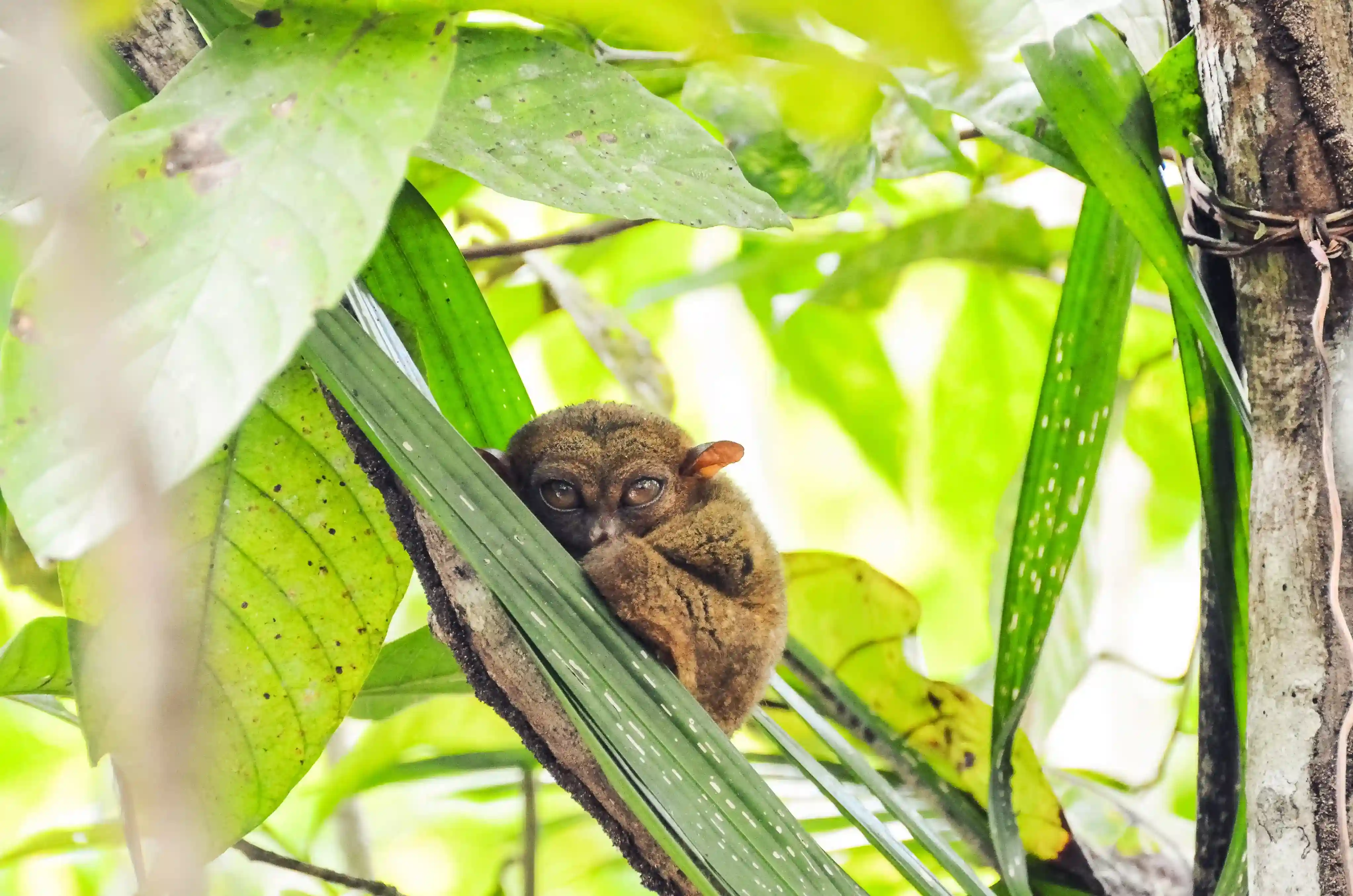
This is a brilliant age for the Philippines. Children can enjoy snorkelling, island-hopping, waterfalls, day trips and boats, and you can build a more varied route — though still without overloading the moves. Bohol's mix of beach, nature and wildlife lands especially well here.
Teenagers
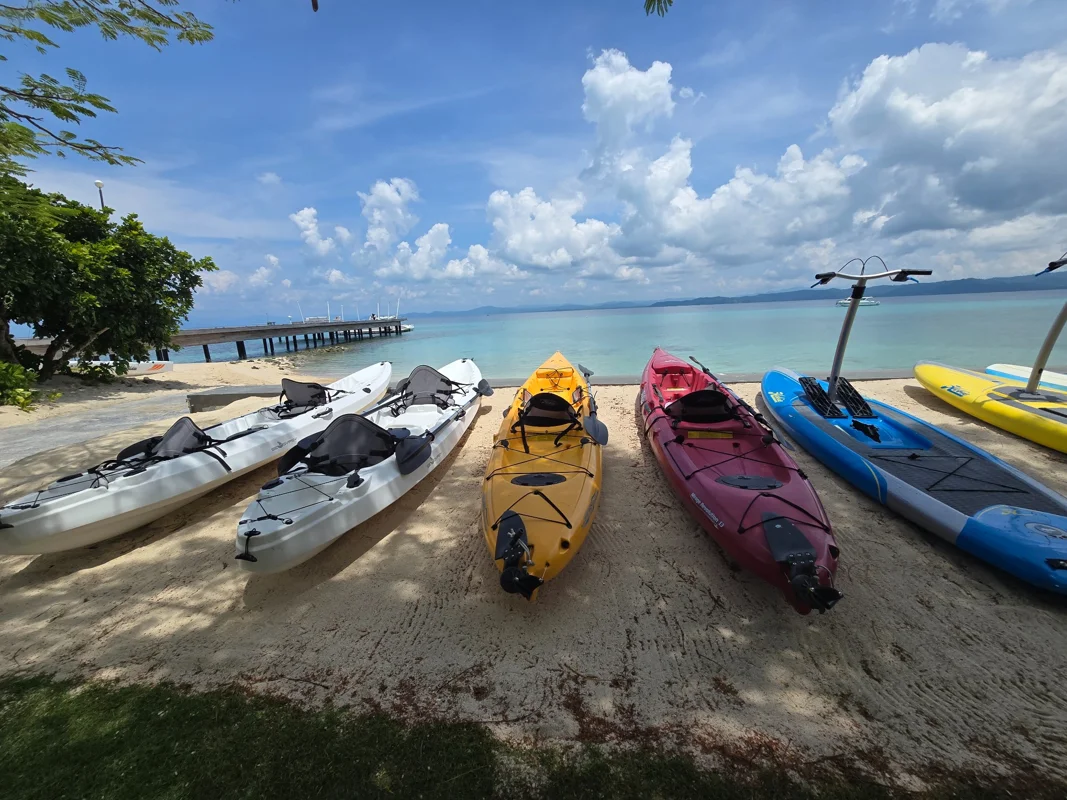
Teens often love it most, especially with a bit of action: snorkelling, a try-dive, canyoneering, kayaks and paddleboards, surfing or nature treks. At this age you can add more adventurous islands such as El Nido, Coron or Cebu, depending on the family.
The logistics parents need to plan for
The single biggest thing to understand is that moving between islands takes time and energy. A route with three islands can easily mean two or three internal flights plus boat transfers, and each of those is effectively half a travel day. With children, we'd plan longer stays and fewer hops than you might on an adult trip, and we'd almost always build in a buffer night in Manila before the international flight home rather than risk a tight connection. A calm route with two well-chosen islands often beats an ambitious one that looks impressive on paper and exhausts everyone in practice.
We design tailor-made family trips around exactly this — the right islands for your children's ages, sensible pacing and hotels that genuinely work. Free, within 24 hours.
Choosing a family hotel
A good family hotel here is more than a hotel with a pool. It's worth checking whether there's a family room or connecting rooms and whether you can add a child's bed; whether the pool is safe and suitable for children; whether the beach is easy for swimming; whether there are restaurants within walking distance and a fridge in the room; and how close the hotel is to the jetties you'll leave from for tours. A cheaper-looking hotel that's far from the beach, or that needs a drive for every meal, can quietly make each day harder — location and comfort matter more with children than a headline price.
Food with children
Filipino food isn't always an instant hit with younger children, but tourist areas reliably offer familiar options — pasta, pizza, rice, chicken, fish, fruit and smoothies. It's worth packing a few things from home for the picky moments and the travel days: snacks your children like, basic medicines, a personal water bottle each, rehydration sachets or electrolyte powder, and some dry food for fussy eaters. Tap water isn't for drinking, so stick to bottled or filtered water throughout.
Health and safety at sea
The Philippines is very family-friendly, but a few habits keep everyone well and safe:
- Use strong sun protection and reapply — the sun is more intense than it feels on the water.
- Keep everyone well hydrated, and don't drink tap water.
- Choose reputable operators for any boat or island-hopping day, and check there are child-sized life jackets on board.
- Don't head out if the sea isn't suitable — a flexible plan beats a fixed one.
- Never leave children unsupervised in the sea or a pool.
- Take out proper travel insurance, and take care around motorbikes and tricycles.
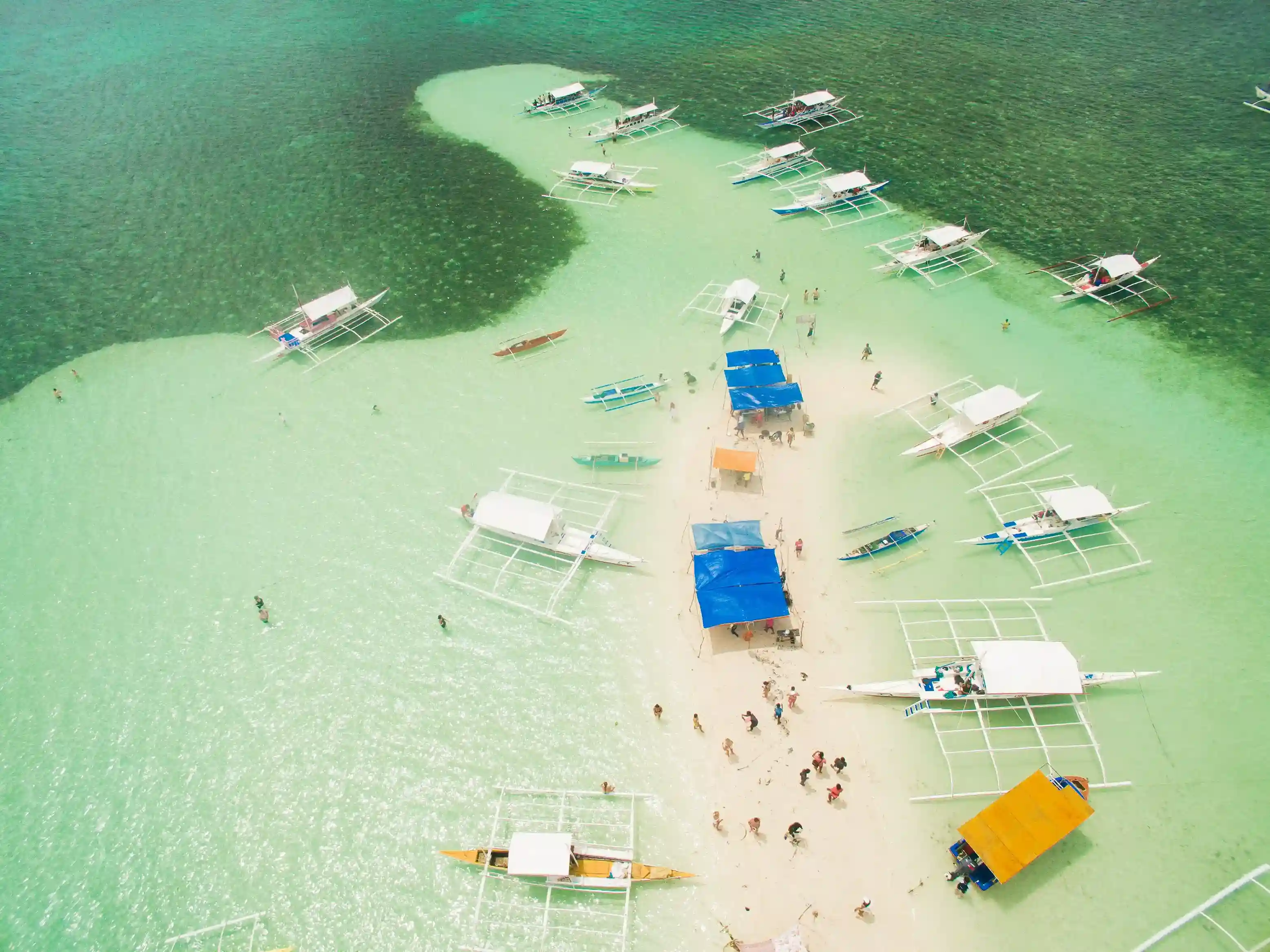
For island-hopping days in particular, many families prefer a private boat: it lets you control the pace, stop when a child needs to, avoid the crowds and turn back early if you need to. It's one of the details that makes the difference between a stressful day and a lovely one.
Common mistakes to avoid
The recurring ones are easy to sidestep: packing in too many islands, so children tire and parents stress; booking a hotel on price alone and ending up somewhere inconvenient; joining busy group island tours where you can't control the pace; skipping the Manila buffer night before the flight home; planning days that are too full when children need downtime; and ignoring the weather and sea, when boat days can change at short notice. Plan smart, choose fewer but better islands, and leave room to rest.
Is the Philippines suitable for young children?
Yes, with a gentle route — fewer islands, comfortable hotels and pools. Bohol and Boracay generally suit little ones better than Coron or a busy Palawan itinerary.
How many islands should we combine on a family trip?
On a ten-to-twelve-night trip, two islands is plenty. On fourteen to sixteen nights you can add a third — beyond that only if the children are older and used to active travel.
What's the best island for families?
Bohol is probably the most balanced: nature, beaches, wildlife, snorkelling and easy land day trips, with comfortable hotels on neighbouring Panglao.
Are island-hopping tours OK with kids?
Yes, with a reputable operator — and many families prefer a private boat so they can control the pace, stop when needed and avoid the crowds.
Let's plan your family holiday.
Tell us your children's ages, your dates and how you like to travel, and we'll design a tailor-made Philippines family trip that's smooth, safe and genuinely fun — free, within 24 hours.